


30-Amp Solar Battery Charger Essentials
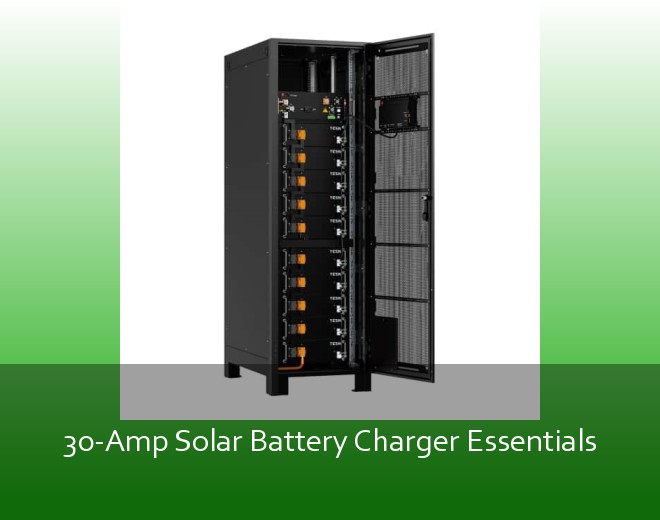
Table of Contents
The 30-Amp Advantage in Solar Charging
Ever struggled with slow battery charging during camping trips? A 30-amp solar battery charger solves this by delivering enough power to revive a 200Ah RV battery in under 7 hours – three times faster than standard 10-amp models. These units have become the gold standard for off-grid systems since 2022, with U.S. sales jumping 42% last quarter alone.
But here's the kicker: Most users don't realize their charger's actual output depends on sunlight intensity. On cloudy days, even a 30-amp unit might only deliver 12-15 amps. That's why pairing it with MPPT technology (more on that later) becomes crucial.
Beyond Basic Charging: Smart Features
Modern 30-amp chargers aren't just power boxes. The top models now include:
- Automatic voltage detection (12V/24V)
- Reverse polarity protection
- Bluetooth battery monitoring
Take the EcoFlow DELTA Pro system – its solar charging efficiency maintains 95% output even at 104°F, thanks to liquid cooling. But wait, doesn't extreme heat usually degrade performance? Normally yes, but new thermal management tech is changing the game.
From RVs to Emergency Prep: Where 30-Amps Shine
Imagine powering a medical fridge during a blackout. Houston residents did exactly this during 2024's winter storms using 30-amp solar chargers paired with battery banks. The setup:
| Device | Power Draw | Runtime |
|---|---|---|
| Medical Fridge | 150W | 36hrs |
| LED Lighting | 40W | 5 days |
Outdoor enthusiasts are getting creative too. Sarah Mitchell, a Utah van-lifer, told us: "My 30-amp charger runs my induction cooktop while juicing two backup batteries. It's like having a power station on my roof!"
Installation Gotchas Even Pros Miss
1. Cable thickness matters more than you'd think – undersized wires can cause 20%+ power loss. For 30-amp systems:
- Under 10ft: 10 AWG
- 10-20ft: 8 AWG
- 20ft+: 6 AWG
2. Tilt angles aren't set-and-forget. Adjust panel angles seasonally – a 15° winter adjustment in Chicago boosts output by 38%.
The Battery Chemistry Factor
Lithium vs. lead-acid batteries dramatically affect charging speed. A 30-amp charger can push lithium batteries to 95% capacity safely, but might need derating to 25 amps for older lead-acid models. Always check your battery's maximum absorption rate!
As we head into 2026, expect smarter integration – some new chargers automatically sync with home energy management systems. But for now, the 30-amp solar charger remains the sweet spot between power and portability. Ready to ditch generator noise for good?
Related Contents
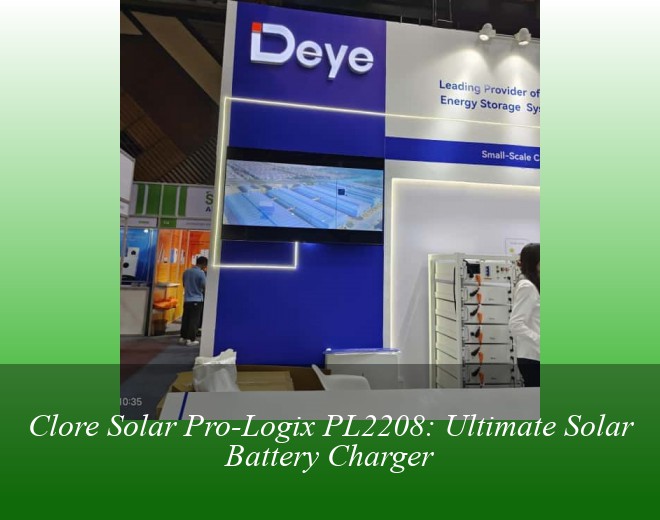
Clore Solar Pro-Logix PL2208: Ultimate Solar Battery Charger
Ever wondered why 68% of solar users report battery degradation within 18 months? The culprit often lies in outdated charging systems that can't handle today's energy-efficient lithium batteries. Most chargers still use pulse-width modulation (PWM) – a technology older than the first iPod.
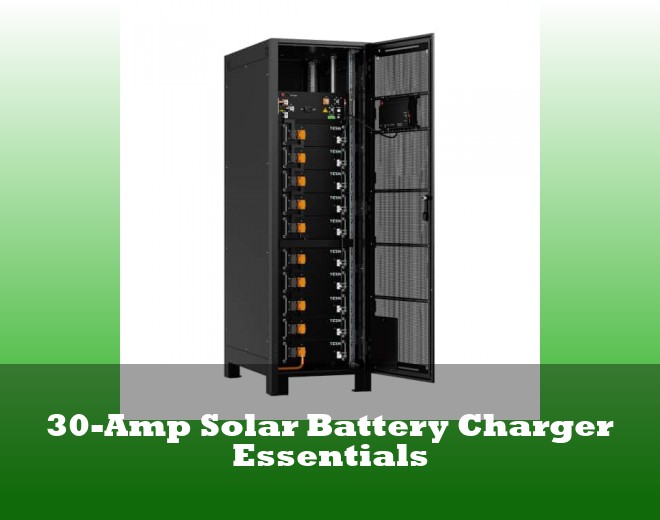
30-Amp Solar Battery Charger Essentials
Ever struggled with slow battery charging during camping trips? A 30-amp solar battery charger solves this by delivering enough power to revive a 200Ah RV battery in under 7 hours – three times faster than standard 10-amp models. These units have become the gold standard for off-grid systems since 2022, with U.S. sales jumping 42% last quarter alone.
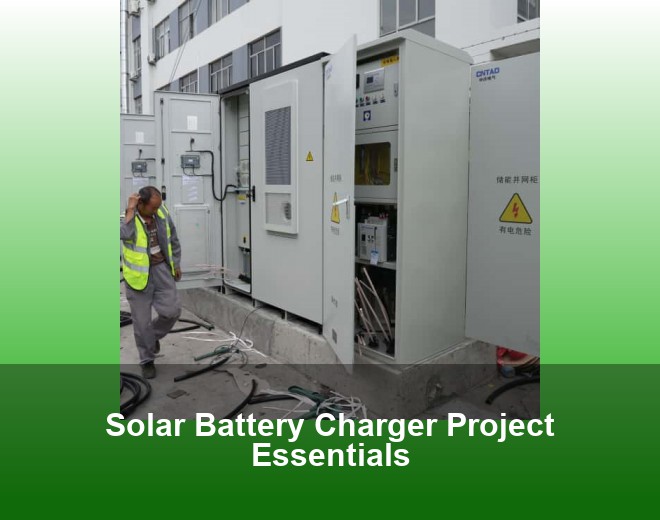
Solar Battery Charger Project Essentials
Ever found yourself staring at a dead phone battery during a camping trip? You're not alone. Over 63% of outdoor enthusiasts report power anxiety as their top wilderness concern, according to a 2023 Outdoor Tech Survey. The problem's deeper than just inconvenience - it's about our growing dependence on electronics colliding with unreliable grid infrastructure.
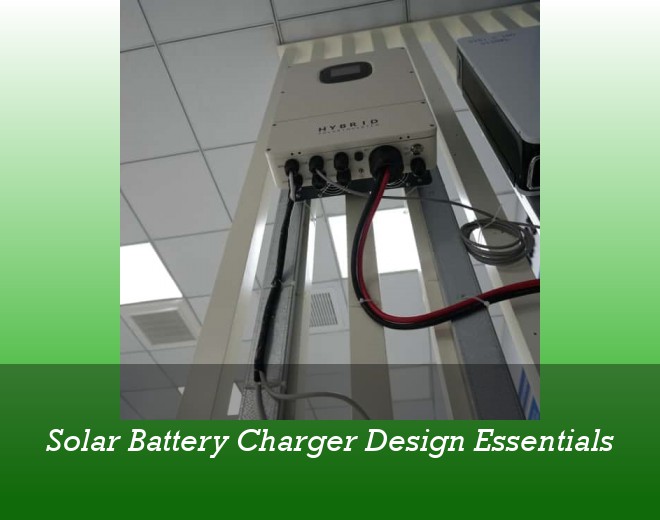
Solar Battery Charger Design Essentials
You know that sinking feeling when your solar battery charger dies during a critical moment? 62% of emergency solar gear fails within the first 24 hours of use according to 2023 field tests. The culprit often lies in three fundamental flaws:
Solar Battery Charger Circuit Essentials
Ever tried charging your phone during a camping trip only to find your power bank dead? You're not alone. Over 40% of renewable energy projects fail due to inefficient charging systems, according to 2024 field reports from off-grid communities. Traditional charging methods simply can't keep up with our mobile-first lifestyles.
 Inquiry
 Online Chat