


Choosing the Right Solar Panel Battery

Table of Contents
Understanding Solar Battery Basics
Let's cut through the noise: not all batteries work with solar panels. While the global energy storage market hit $33 billion last year, many homeowners still make costly mistakes choosing incompatible power storage solutions. Solar systems require specialized batteries designed for cyclic charging - the daily drain-and-refill rhythm that would destroy regular car batteries in months.
Imagine this: You install premium solar panels only to pair them with bargain-bin batteries. Within weeks, you're replacing swollen, overheated units. This exact scenario played out in Texas last month when a DIY solar enthusiast used automotive batteries for his rooftop array. The result? $2,100 in replacement costs and three days without power.
Battery Chemistry Breakdown
Here's what actually works:
- Lead-acid (Flooded/AGM): Affordable but high-maintenance
- Lithium-ion: 90% efficiency vs. 80% for lead-acid
- Saltwater: Newcomer with 100% recyclability
Wait, no - lithium actually dominates new installations despite higher upfront costs. A 2024 California study showed lithium batteries lasting 3x longer than lead-acid in solar applications. Their secret? Handling 5,000+ charge cycles versus 1,200 for premium lead-acid models.
Nigerian Solar Success Story
Let's look at Reeddi's innovative approach in Lagos. By renting portable solar batteries through neighborhood stores, they've powered 12,000 households since 2021. Their secret sauce? Customized lithium packs that survive 45°C heat and daily deep discharges - conditions that'd kill standard batteries.
"We tried six battery types before finding the right chemistry," admits CEO Adepeju Jaji. "Our current units maintain 80% capacity after 4 years of brutal use." This durability matters in regions where replacing batteries means half a month's wages.
Smart Battery Selection
Three non-negotiable specs for solar batteries:
- Depth of Discharge (DoD): 80%+ for lithium, 50% for lead-acid
- Cycle Life: 3,000+ cycles for 10-year systems
- Temperature Range: -20°C to 50°C operation
But here's the kicker - compatibility goes beyond specs. Solar batteries need proper charge controllers. I've seen $800 batteries ruined by $15 PWM controllers. Always match battery voltage to your inverter's DC input. That 24V battery bank? Useless with a 12V inverter.
Emerging Storage Solutions
While lithium dominates today, zinc-air batteries are making waves. Pilot projects in Arizona show 150-hour storage capacity - perfect for multi-day cloud coverage. And let's not forget flow batteries, though their $800/kWh price keeps them in utility-scale projects...for now.
The battery revolution isn't coming - it's here. As of March 2024, seven U.S. states offer tax incentives specifically for solar-compatible storage systems. Pair that with solar panel tax credits, and the math starts favoring lithium even at today's prices.
Related Contents
Choosing the Right Solar Panel Size for Your RV Battery
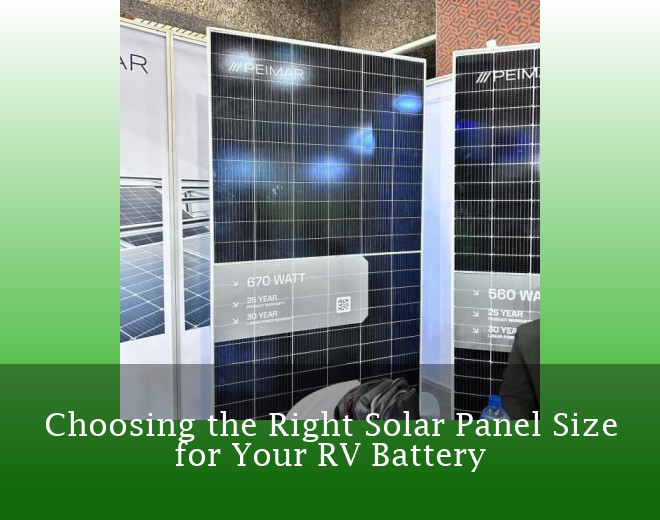
Ever wondered why some RV owners sail through off-grid adventures while others constantly battle dead batteries? The secret lies in matching solar panel capacity to your specific energy consumption. Let's break down the essentials:

Choosing the Right Solar Panel Battery
Let's cut through the noise: not all batteries work with solar panels. While the global energy storage market hit $33 billion last year, many homeowners still make costly mistakes choosing incompatible power storage solutions. Solar systems require specialized batteries designed for cyclic charging - the daily drain-and-refill rhythm that would destroy regular car batteries in months.
Choosing the Right Battery for Solar Systems
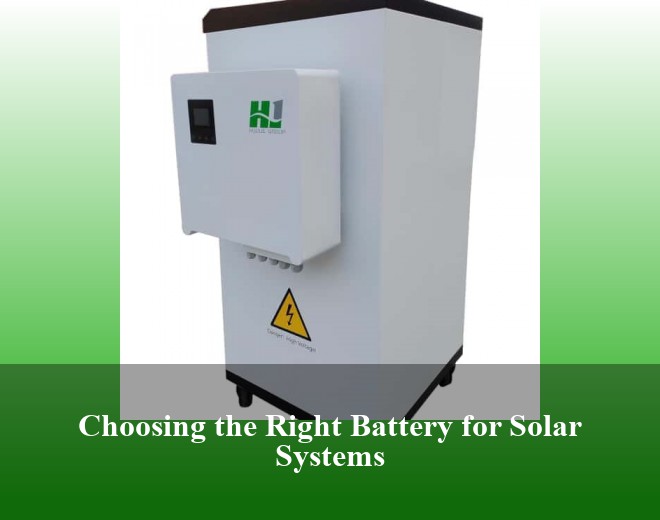
Ever wondered why two solar installations with identical panels produce radically different results? The unsung hero – or silent saboteur – is often the battery storage solution. While solar panels grab headlines, the battery determines whether you'll power through nighttime or face frustrating blackouts.
Choosing the Right Solar Battery kWh
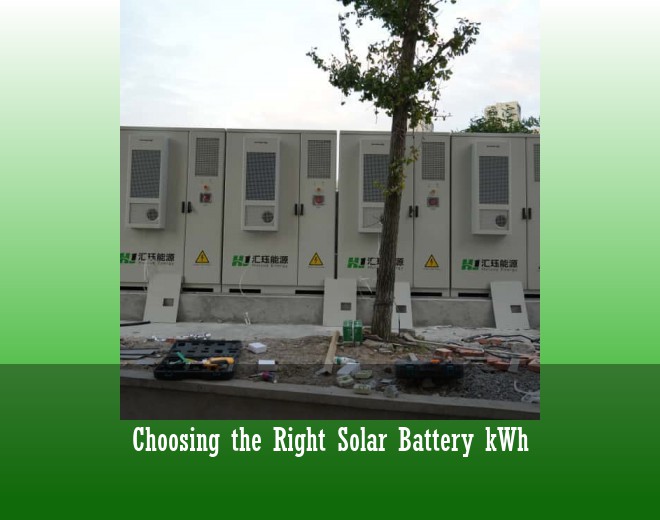
Let's cut through the marketing fluff - solar battery capacity isn't about maximal storage. It's about matching your lifestyle's energy heartbeat. Imagine this: Your neighbor's 20kWh system sits half-empty daily while your 10kWh setup keeps tripping circuits. Why? They sized for worst-case scenarios; you need to size for energy patterns.
Choosing the Right Battery for Small Solar Panels
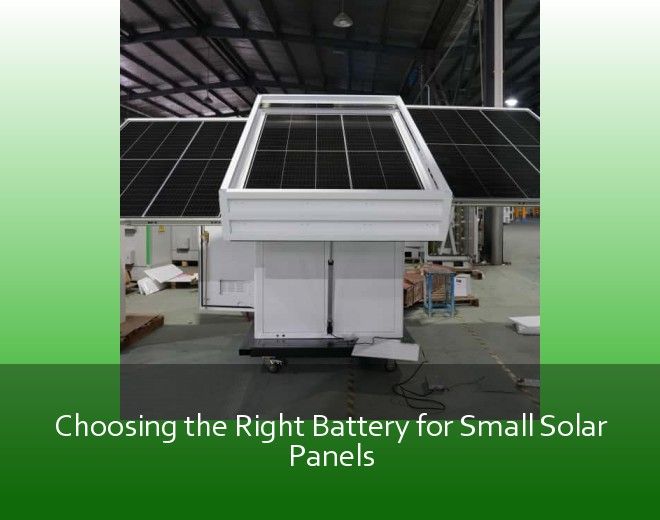
Ever wondered why your neighbor's solar-powered garden lights last through winter storms while yours conk out by November? The secret sauce lies in battery selection. Let's cut through the marketing jargon and examine the three main contenders:
 Inquiry
 Online Chat