


Solar Panels for 48V Battery Systems
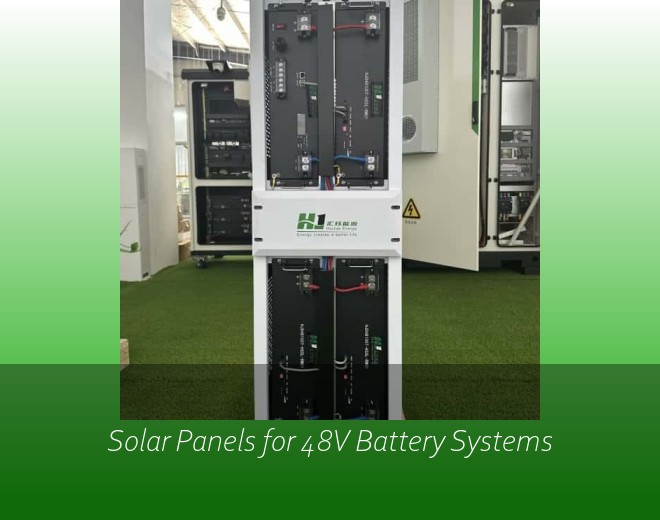
Table of Contents
The Math Behind Solar Panel Requirements
Let’s cut through the confusion: sizing a 48V solar panel system isn’t about matching volts to volts. It’s about energy ballet—where sunlight, battery chemistry, and real-world inefficiencies dance together. Here’s the brutal truth most vendors won’t tell you: advertised solar panel wattage is measured in lab conditions, not your cloudy Tuesday mornings.
Take a typical 48V lithium battery bank storing 10kWh. To recharge this in 6 hours of peak sunlight (which, let’s be honest, averages 4.5 hours in most US regions), you’d need:
Solar panels required = (Battery capacity × 1.2) ÷ (Sun hours × 0.8)
Example: (10,000Wh × 1.2) ÷ (4.5h × 0.8) = 3,333W system → ~ten 330W panels
Wait, why the 1.2 multiplier? That’s the hidden tax of battery inefficiency. Even premium lithium batteries lose 8-12% energy during charge-discharge cycles . The 0.8 factor? That’s for system losses—dirty panels, aging wiring, and charge controller hiccups.
Why Your Location Matters More Than Spec Sheets
Solar calculators love generic “sun hour” maps, but here’s what they miss:
- Coastal fog patterns (San Francisco vs. San Diego)
- Winter tilt adjustments (15° makes 18% difference in New York)
- Panel temperature coefficients (output drops 0.5%/°C above 25°C)
Arizona homeowners might get away with eight 400W panels for their 48V battery bank, while Michigan users need twelve—even with identical battery specs. Tools like NREL’s PVWatts show shocking regional variations: 4.1 kWh/kW in Seattle vs 6.2 in Phoenix.
What Battery Labels Don’t Tell You
That shiny 200Ah battery? Its actual usable capacity depends on:
- Charge rate limitations (0.5C vs 1C acceptance)
- Depth of discharge (80% for lithium vs 50% for lead-acid)
- Parasitic loads (BMS systems consuming 2-5W continuously)
Here’s where users get burned: connecting 24V solar panels to a 48V system without proper MPPT tuning. I’ve seen inverters fry because someone mixed 72-cell and 60-cell panels on the same string. The fix? Always oversize your charge controller by 25%—those “100A max” labels assume perfect conditions that never exist.
Off-Grid Cabin: A 2024 Case Study
Meet Sarah’s Colorado mountain cabin—a perfect storm of high elevation (UV degradation), sub-zero winters (battery efficiency plummets), and wildfire smoke seasons. Her initial setup failed spectacularly:
| Component | Initial Choice | 2024 Upgrade |
|---|---|---|
| Panels | 12 × 250W (3kW) | 8 × 450W bifacial (3.6kW) |
| Batteries | 48V 200Ah lead-acid | 48V 300Ah LiFePO4 |
| Charge Controller | 80A PWM | 100A MPPT with heating |
Post-upgrade, her system generates 22% more winter energy despite fewer panels. The secret? Bifacial panels capturing snow-reflected light and lithium batteries that handle -20°C charging (with built-in warmers).
The Maintenance Trap New Users Fall Into
Solar isn’t “install and forget.” Last month, a Texas user wondered why his 5kW system couldn’t keep up. Diagnosis? Pollen buildup reducing output by 40%—a five-minute monthly hose-down fixed it. Other gotchas:
- Tree growth shading panels over 3 years
- Inverter cooling fans clogging with dust
- Loose MC4 connectors causing arc faults
Pro tip: Use thermal cameras annually to spot failing cells. Hot spots often reveal microcracks before power loss becomes obvious.
Related Contents
Multiple Battery Solar Charge Controllers: Optimizing Energy Storage for Modern Solar Systems
You've probably seen solar panels gleaming on rooftops, but have you ever wondered what happens to that harvested energy after sunset? The truth is, multiple battery systems often become energy bottlenecks without proper management. Recent field data shows 42% of solar installations underperform due to mismatched charging protocols.
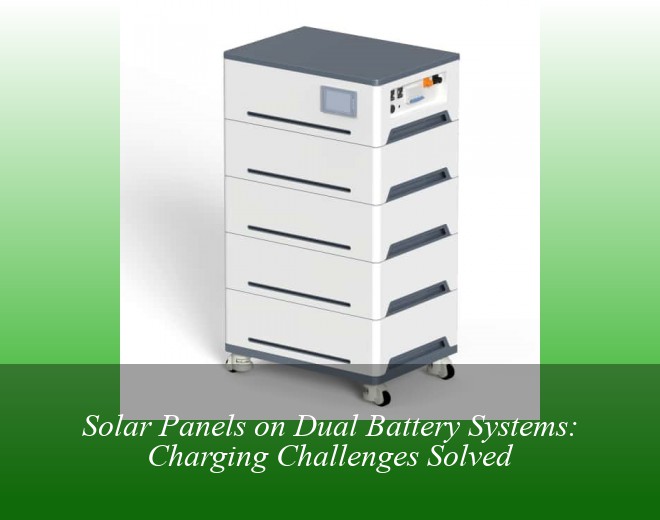
Solar Panels on Dual Battery Systems: Charging Challenges Solved
You know that sinking feeling when your dual battery system keeps charging relentlessly? Last summer, my neighbor's boat batteries literally swelled like overfed pufferfish. Turns out their 400W solar array didn't recognize when to quit. This isn't just annoying - it's dangerous. Lead-acid batteries can release explosive hydrogen gas when overcharged, while lithium-ion packs might enter thermal runaway.
Solar Panels for 4×100Ah Battery Systems
Let's cut through the confusion—charging 4×100Ah batteries isn't just about slapping panels on a roof. First, calculate your daily energy needs. A 100Ah battery stores 1.2kWh (12V×100Ah), so four batteries give 4.8kWh total capacity. But here's the kicker—how much power can you realistically expect to replenish daily?
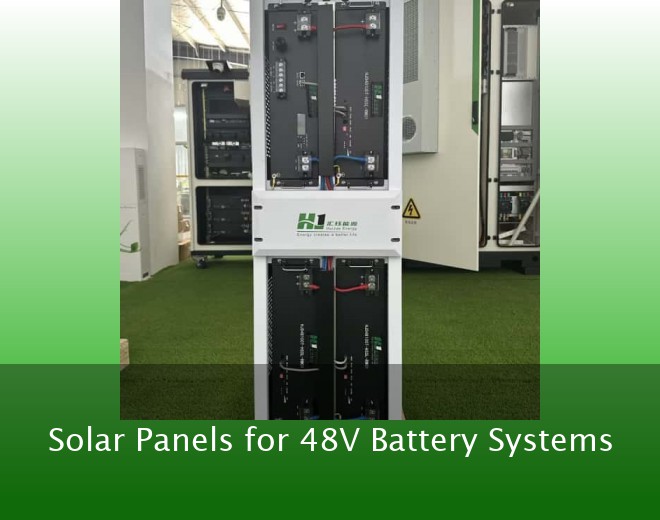
Solar Panels for 48V Battery Systems
Let’s cut through the confusion: sizing a 48V solar panel system isn’t about matching volts to volts. It’s about energy ballet—where sunlight, battery chemistry, and real-world inefficiencies dance together. Here’s the brutal truth most vendors won’t tell you: advertised solar panel wattage is measured in lab conditions, not your cloudy Tuesday mornings.
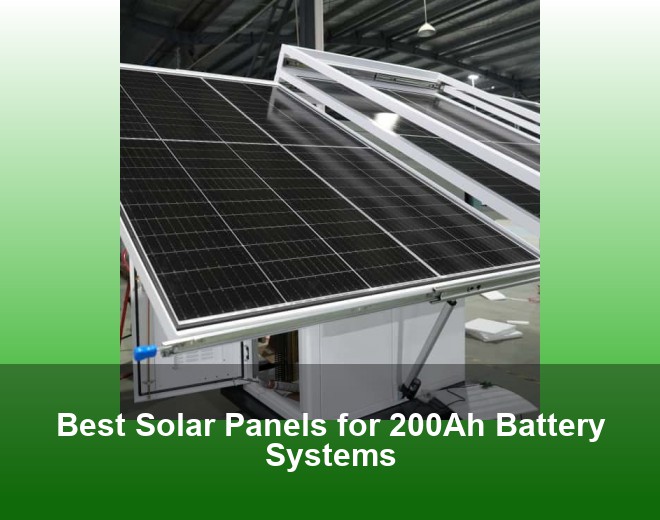
Best Solar Panels for 200Ah Battery Systems
Let’s face it—200Ah batteries aren’t your average storage units. These beasts can store enough juice to power a small workshop for days, but here’s the kicker: they’re only as good as their charging system. You know what they say about chains and weakest links, right?
 Inquiry
 Online Chat