


Energy Storage: Renewable Energy's Game-Changer
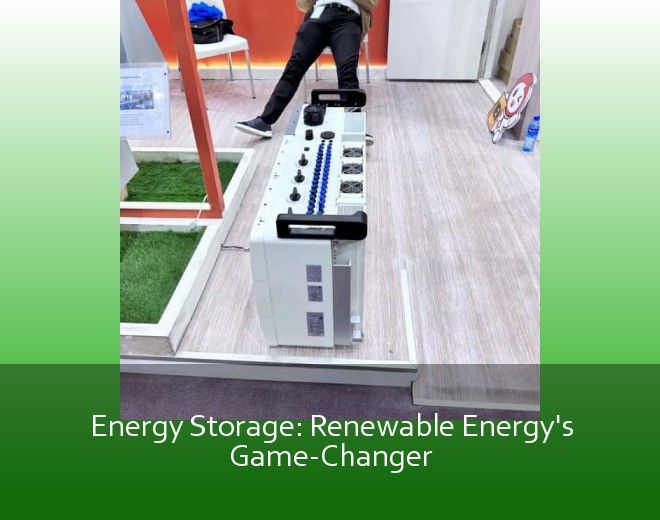
Table of Contents
When the Sun Sets and Winds Stop
We've all seen those breathtaking solar farms and majestic wind turbines - symbols of our clean energy future. But here's the elephant in the room: renewable energy sources can't generate power on demand. Cloudy days still surprise meteorologists, and wind patterns remain as unpredictable as a teenager's mood swings.
This intermittency issue isn't just theoretical. In 2023 alone, California curtailed enough solar energy to power 1 million homes for a year - electricity literally thrown away because we lacked storage capacity. The global energy storage market, valued at $33 billion in 2024, must grow 500% by 2030 to meet renewable adoption targets.
The Grid Stability Tightrope
Traditional power plants act like metronomes, providing steady rhythm to our electrical grids. Renewables? They're more like jazz musicians - brilliant but improvisational. Without battery storage systems, grid operators face nightmare scenarios:
- Voltage fluctuations damaging industrial equipment
- Brownouts during peak demand hours
- Wasted energy generation during low consumption periods
Storage Tech That's Changing the Game
Enter the unsung heroes of the energy transition. Lithium-ion batteries get most headlines, but the storage revolution goes far beyond Tesla Powerwalls.
Take flow batteries - these chemical marvels separate energy storage from power generation. Vanadium redox flow systems can discharge continuously for 10+ hours, compared to lithium-ion's 4-hour limit. Then there's gravitational storage: companies like Energy Vault stack 35-ton bricks with cranes, "charging" the system by raising blocks and generating power when lowering them.
The Hydrogen Wildcard
Germany's pushing green hydrogen hard, converting excess wind power into H2 through electrolysis. While only 35% efficient today, this approach lets nations stockpile energy seasonally. Imagine using summer's solar bounty to heat homes in December!
Storage in Action: Global Case Studies
China's proving scale matters. Their 2024 Golmud Solar Park integrates a 200MW/800MWh iron-air battery system - enough to power 150,000 homes through the night. In Texas, the 495MWh Oasis plant saved the grid during 2023's December freeze, discharging continuously for 18 hours when gas plants froze.
But it's not just megaprojects making waves. Vermont's Green Mountain Power offers customers Tesla Powerwalls at $55/month, creating a virtual power plant from 5,000 homes. During heatwaves, the utility draws stored energy instead of firing up peaker plants.
More Than Megawatts: Economic Transformation
Storage isn't just technical infrastructure - it's reshaping energy economics. California's "duck curve" problem (too much solar at noon, not enough at dusk) created $2 billion in grid management costs annually. New 4-hour storage systems have slashed this by 40% since 2022.
Emerging markets tell the most compelling stories. In Nigeria, solar+storage microgrids now provide 24/7 power to villages at half the cost of diesel generators. Women-run cooperatives manage these systems, creating both electricity and jobs.
The Roadblocks Ahead
Despite progress, storage remains renewable energy's bottleneck. Lithium mining faces environmental pushback, with protests halting a Nevada mine in January 2025. Recycling infrastructure lags terribly - less than 5% of solar batteries get properly recycled today.
Regulatory frameworks haven't kept pace either. Many U.S. states still classify storage facilities as either generation or consumption assets, creating permitting nightmares. The solution? A mix of tech innovation and policy evolution:
- Accelerate non-lithium battery development
- Implement storage-friendly grid tariffs
- Standardize recycling protocols globally
As we approach the 2025 Thailand Renewable Energy Expo, industry leaders are laser-focused on these challenges. The stakes couldn't be higher - getting storage right means the difference between a smooth energy transition and chaotic power shortages.
Related Contents
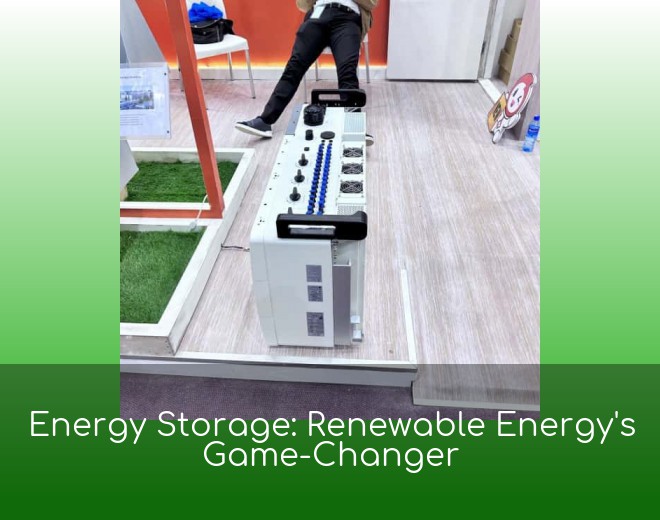
Energy Storage: Renewable Energy's Game-Changer
We've all seen those breathtaking solar farms and majestic wind turbines - symbols of our clean energy future. But here's the elephant in the room: renewable energy sources can't generate power on demand. Cloudy days still surprise meteorologists, and wind patterns remain as unpredictable as a teenager's mood swings.
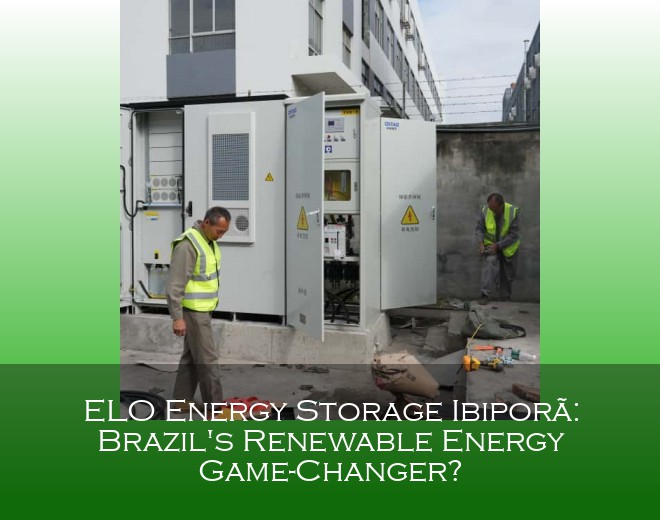
ELO Energy Storage Ibiporã: Brazil's Renewable Energy Game-Changer?
You know, Brazil generates 84% of its electricity from renewables - a world leader in hydropower. But here's the kicker: energy storage capacity remains stuck at less than 2% of total generation. When droughts hit (like the 2021 crisis that spiked electricity prices by 52%), the country literally lights out.
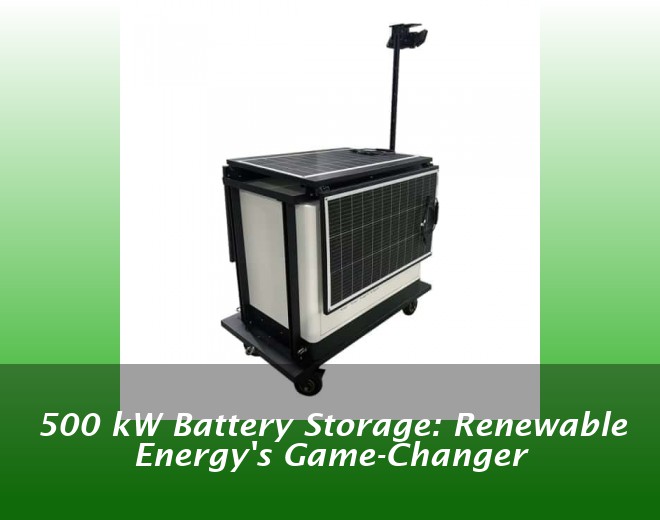
500 kW Battery Storage: Renewable Energy's Game-Changer
solar panels don't work at night, and wind turbines stand still on calm days. This intermittency costs the U.S. economy $150 billion annually in wasted renewable energy. Enter the 500 kW battery storage system, a Goldilocks solution bridging residential Powerwalls and utility-scale installations.
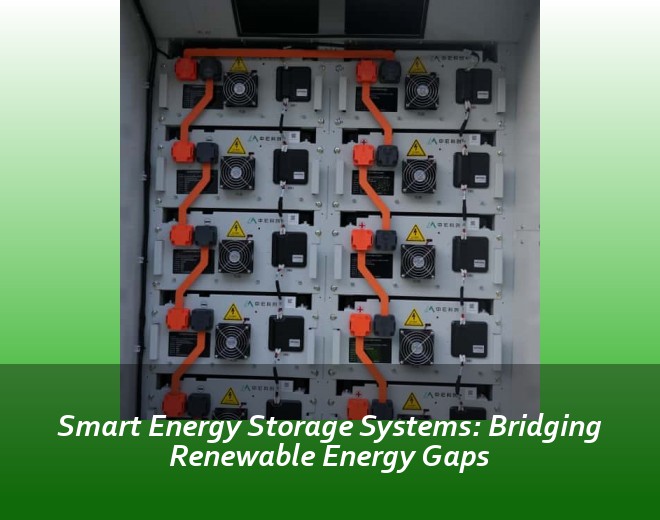
Smart Energy Storage Systems: Bridging Renewable Energy Gaps
Ever wondered why we can't just power everything with solar and wind? The truth is, renewable energy intermittency creates a rollercoaster effect on power grids. Solar panels sit idle at night while wind turbines freeze during calm spells - it's like trying to drink from a firehose that keeps turning on and off.
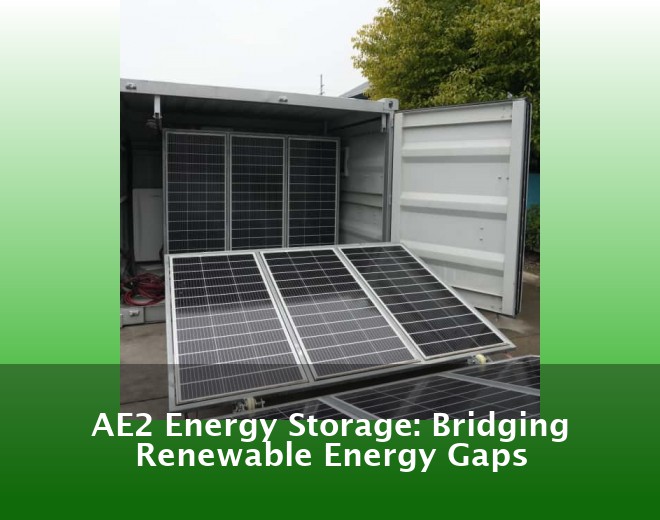
AE2 Energy Storage: Bridging Renewable Energy Gaps
You know that feeling when your phone dies right when you need it most? Now imagine that frustration multiplied by 10 million – that's essentially what's happening to renewable energy grids worldwide. Despite hitting record solar installations in Q1 2025 (a whopping 42% increase year-over-year), we're still wasting enough clean energy annually to power Germany for six months.
 Inquiry
 Online Chat