


Battery Energy Storage in Ireland: Powering the Future
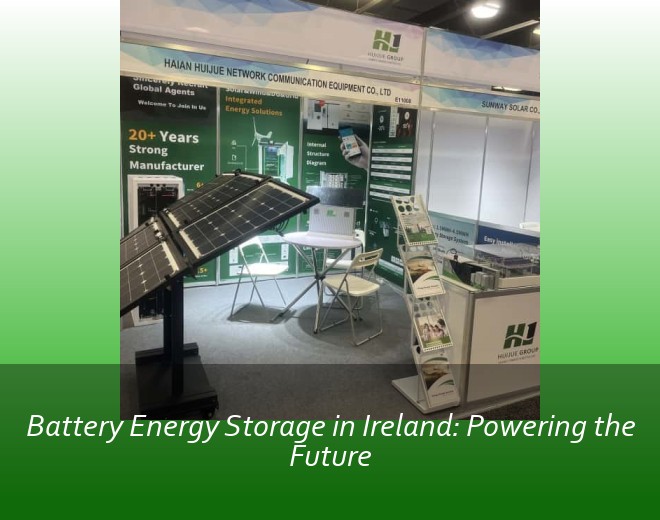
Table of Contents
Ireland's Energy Transition Challenge
Ireland's aiming for 80% renewable electricity by 2030 - but here's the kicker: Last month, wind power alone briefly hit 72% of demand, only to crash to 9% within 48 hours. This volatility's why energy storage Ireland isn't just nice-to-have; it's the linchpin making green ambitions achievable.
A spring morning with gale-force winds generating surplus power. Without storage, we're literally paying wind farms to switch off. Then comes a calm winter evening when everyone's boiling kettles after Fair City - suddenly we're burning peat again. Madness, right?
The Duck Curve Goes Celtic
California's famous "duck curve" has an Irish cousin. Our version? More like a drunken leprechaun's scribble. Evening demand spikes coincide with wind lulls, creating a €3.7m/day imbalance cost. Battery systems could slash that by 40% according to EirGrid's latest simulations.
How Battery Storage Solves Grid Instability
Modern battery energy storage systems (BESS) aren't your granddad's lead-acid bricks. The new kids on the block use lithium-iron-phosphate chemistry - safer, longer-lasting, and perfect for Ireland's damp climate. A typical 50MW site can power 75,000 homes for 2 hours during blackouts.
"Our Tullahennel project responded to a frequency dip faster than any gas plant could," says ESB's Head of Renewables. "It's like having a supercharged shock absorber for the national grid."
When Theory Meets Reality: Shannonbridge's Success
The decommissioned peat plant in Offaly now hosts Ireland's largest storage facility. During Storm Debi's outages, it provided 79MWh of emergency power - enough to keep every hospital ventilator in Connacht running for 8 hours. Not bad for a site that once symbolized our dirty energy past.
Technical Snapshot: What's Inside?
- Modular design allowing 20% capacity expansion
- ISO-certified fire suppression systems
- AI-driven degradation monitoring
The Nuts and Bolts of Modern BESS
You know how people say "It's not the battery, it's the brain"? Well, that's half-true. While battery cells grab headlines, the real magic happens in the power conversion system (PCS). This unsung hero manages:
- AC/DC conversion efficiency (now hitting 98.5%)
- Reactive power compensation
- Black start capability
But wait - here's where it gets interesting. Newer systems use "state-of-health" algorithms that actually learn from Ireland's unique cycling patterns. They'll adjust charging rates based on everything from wave height forecasts to hurling final TV viewership numbers (seriously - demand spikes during matches!).
More Than Megawatts: Changing Local Economies
Take Carrick-on-Suir's community battery. This 5MW system does triple duty: 1. Storing excess solar from school roofs 2. Providing frequency regulation services 3. Hosting VR educational tours for schools
Local baker Siobhan Murphy notes: "Since the battery farm came, we've had engineers from Germany and Brazil popping in for scones. Never thought our town would become a renewable energy Ireland hotspot!"
The Coffee Shop Test
Next time you're in a Cork café charging your phone, consider this: There's a 60% chance that electricity flowed through a battery at some point. Grid-scale storage acts like a giant buffer, smoothing out the lumps in Ireland's renewable bread dough.
Looking Ahead: Storage Gets Smarter
Dublin's piloting vehicle-to-grid tech with 50 electric buses. When idle, their combined 3MWh capacity could power Temple Bar's nightlife for 90 minutes. It's not sci-fi - trials start this October.
But here's the rub: Current regulations treat storage as either generator or consumer. We need a proper "third category" to unlock its full potential. The CRU's working on it, but as they say in Dublin - "Mol an óige agus tiocfaidh sí" (Praise the youth and she'll come). Maybe add "...with better policy frameworks"?
So there you have it - Ireland's energy storage journey in a nutshell. From peat bogs to power buffering, we're rewriting energy rules one battery pack at a time. Who knew going green could be so... charged?
Related Contents
Battery Energy Storage Systems: Powering Solar's Future
Ever wondered why solar panels sometimes underperform despite perfect sunshine? The answer lies in our inability to capture surplus energy effectively. In 2025, the global energy storage market is projected to reach $50 billion, with lithium iron phosphate (LFP) batteries leading adoption rates by 38% year-over-year .
Solar Energy and Battery Storage: Powering the Future
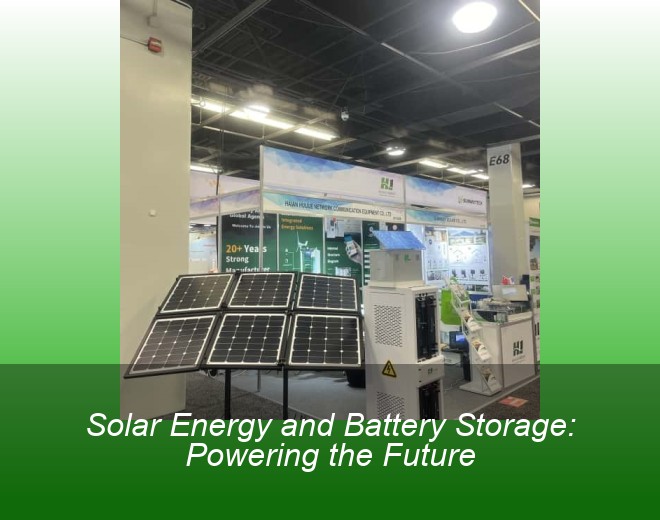
Ever noticed how your phone dies fastest when you need it most? Solar energy faces the same frustrating paradox. While solar panels now power 4.9% of global electricity (up from 0.8% in 2015), their intermittent nature creates what engineers call "the duck curve problem" - that awkward midday energy surplus and evening deficit.
Battery Energy Storage Systems (BESS): Powering the Renewable Energy Revolution
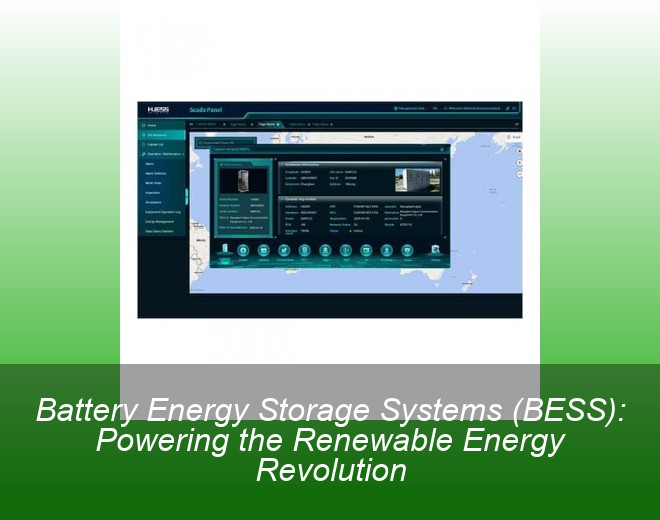
Ever wondered why your solar panels stop working during blackouts? Battery Energy Storage Systems (BESS) hold the answer. With global renewable energy capacity growing 15% annually since 2020, the real challenge isn't generation—it's storing that clean power when the sun sets or winds die. Traditional grids lose up to 30% of renewable energy due to mismatched supply and demand cycles.
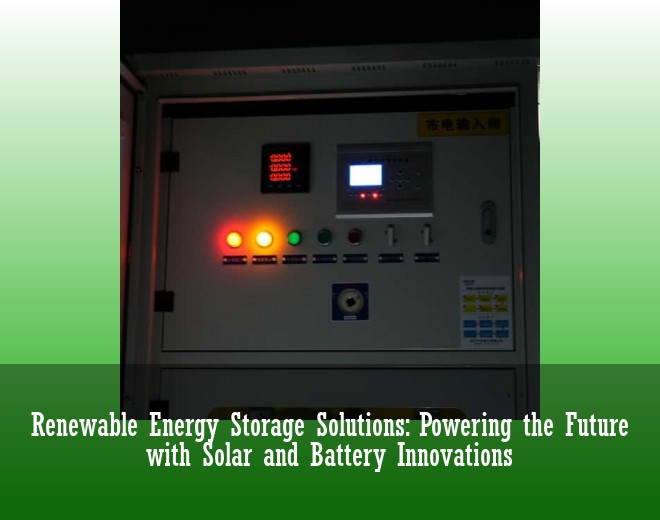
Renewable Energy Storage Solutions: Powering the Future with Solar and Battery Innovations
You know, the renewable energy transition isn't just coming—it's already rewriting how we power our world. But here's the million-dollar question: Are we ready to handle the intermittent nature of solar and wind power? Let's face it—the sun doesn't always shine, and wind patterns can be as unpredictable as a teenager's mood.
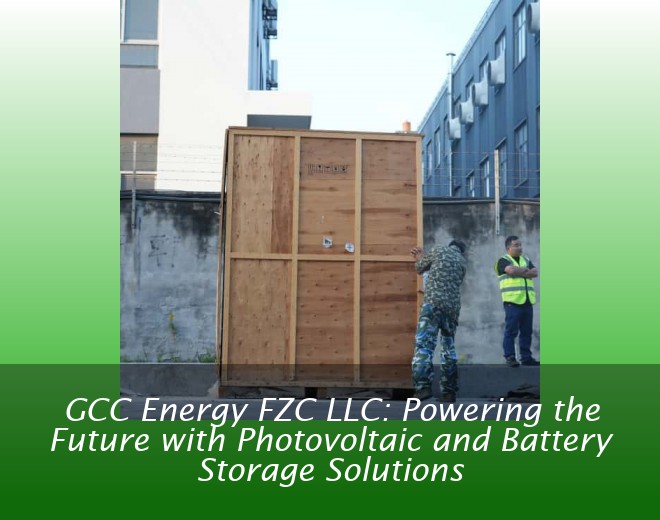
GCC Energy FZC LLC: Powering the Future with Photovoltaic and Battery Storage Solutions
As global solar capacity approaches 1.5 terawatts, you’d think we’ve cracked the clean energy code. But here’s the rub: nearly 30% of generated solar power still gets wasted during peak production hours. The culprit? Antiquated grid infrastructure that can’t handle renewable energy’s intermittent nature.
 Inquiry
 Online Chat