


Battery Energy Storage Systems in Canada
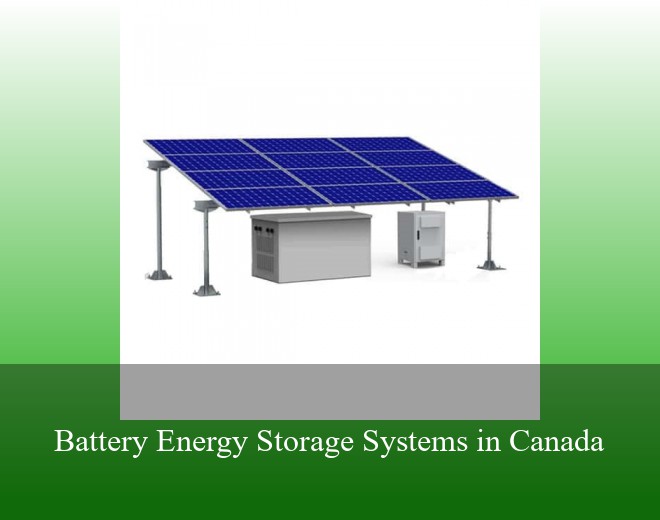
Table of Contents
The Energy Storage Imperative in the Great White North
A Saskatchewan wind farm generates surplus power at 2 AM while Torontonians sleep. Without Battery Energy Storage Systems (BESS), that clean energy literally blows away. Canada's renewable energy capacity grew 12% last year, but here's the kicker – we're wasting enough wind power annually to light up Halifax for six months.
Our grid wasn't designed for solar panels that go dark at night or wind turbines that idle during calm spells. That's where BESS becomes the unsung hero, storing surplus juice for when we actually need it. Think of it like maple syrup production – you don't tap trees in January, but you still want pancakes all winter.
Anatomy of a Modern BESS Solution
Modern systems combine three key components:
- Lithium-ion battery racks (80% of new installations)
- Smart inverters managing AC/DC conversion
- AI-powered energy management systems
Take Ontario's Oneida Energy Storage Project – when completed in 2025, its 250 MW capacity could power 40,000 homes during peak hours. Projects like this demonstrate how energy storage systems are becoming Canada's grid shock absorbers.
From Theory to Tundra: Canadian BESS in Action
Let's break down three transformative applications:
1. Microgrids for Remote Communities
Nunavut's diesel dependency decreased 18% after installing solar+BESS combos. The secret sauce? Battery systems that maintain optimal temperatures even at -40°C – a game-changer for Arctic energy resilience.
2. Industrial Load Shifting
Alberta's oil sands operations now use BESS to reduce peak demand charges. One facility cut its energy costs by CAD$2.3 million annually while lowering carbon emissions – sort of having your pipeline cake and eating it too.
Cold Truths: Making Batteries Love Canadian Winters
Lithium-ion batteries typically hate the cold. But Canadian innovators are solving this through:
- Phase-change materials in battery enclosures
- Dynamic pre-heating algorithms
- Hybrid liquid-air thermal management
Hydro-Québec's latest prototypes maintain 92% efficiency at -30°C – a crucial breakthrough for nationwide adoption.
Beyond Lithium: What's Brewing in Canadian Labs
Researchers are exploring alternatives that could redefine energy storage:
1. Organic Flow Batteries
University of Toronto teams developed a quinone-based battery using maple-syrup byproducts. Early tests show 60% cost reductions compared to traditional vanadium systems.
2. Gravity Storage Solutions
Imagine using old mine shafts for gravitational energy storage. Sudbury-based Energy Vault Canada is piloting this concept, potentially creating storage solutions with 50-year lifespans.
As we approach the 2030 clean energy targets, one thing's clear: Battery storage systems aren't just supporting Canada's energy transition – they're becoming the backbone of it. The question isn't whether we'll adopt these technologies, but how quickly we'll scale them to meet our vast nation's needs.
Related Contents
Battery Energy Storage Systems in Canada
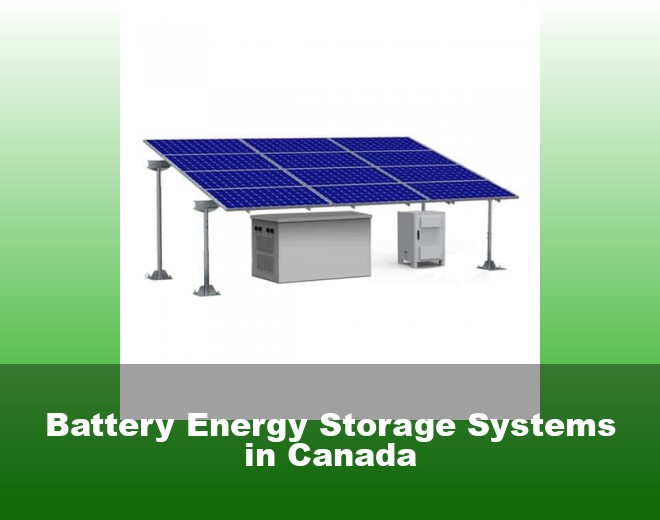
A Saskatchewan wind farm generates surplus power at 2 AM while Torontonians sleep. Without Battery Energy Storage Systems (BESS), that clean energy literally blows away. Canada's renewable energy capacity grew 12% last year, but here's the kicker – we're wasting enough wind power annually to light up Halifax for six months.
Battery Energy Storage Systems: The Game-Changer in Renewable Energy Integration
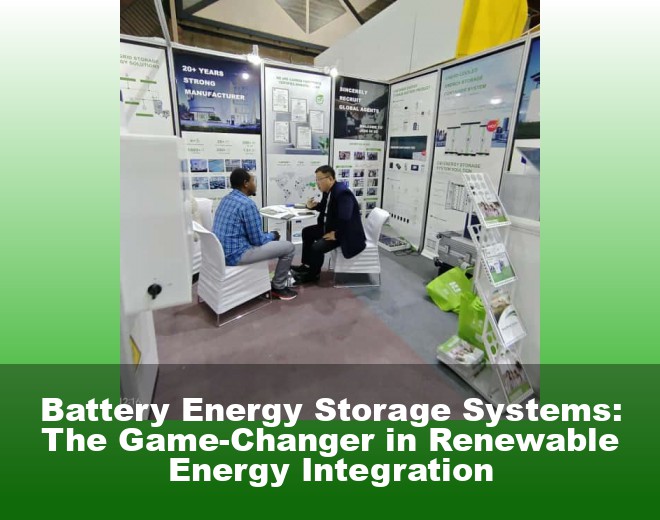
California’s grid operators watching helplessly as 300,000 MWh of solar power gets curtailed on a sunny afternoon—enough to power 90,000 homes for a day. Meanwhile, Texas households shivered through 2023’s winter storms despite having the nation’s largest wind power capacity. The culprit? A fundamental mismatch between when we generate renewable energy and when we actually need it.
Solar Energy Storage and Battery Storage Systems
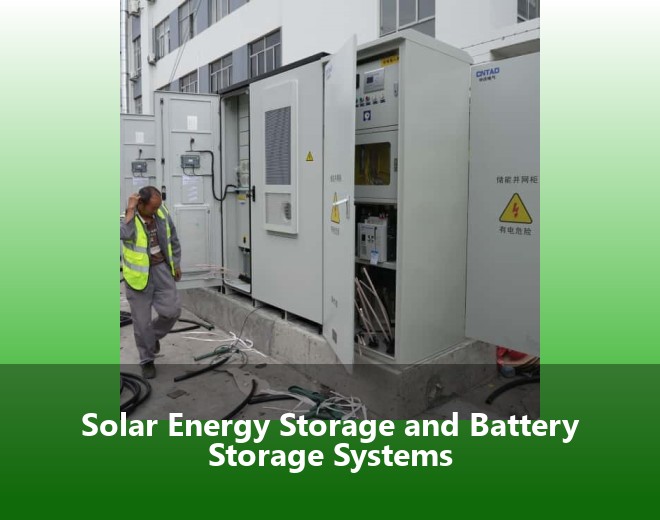
Ever wondered why your solar panels stop working during blackouts? The dirty secret of renewable energy lies in its intermittency. While solar energy storage technologies have advanced dramatically, 42% of commercial solar projects still rely on grid power after sunset.
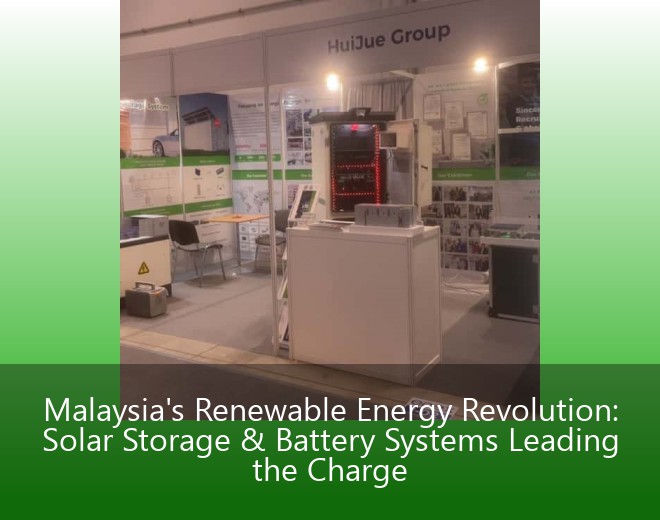
Malaysia's Renewable Energy Revolution: Solar Storage & Battery Systems Leading the Charge
You’ve probably heard the numbers – 8.892GW of installed renewable capacity with 269GW potential in solar alone. But here's what they don't tell you: Malaysia's electricity demand grew 4.7% last year while grid infrastructure aged three times faster than regional averages. The 2024 IGEM exhibition revealed shocking truths – 43% of industrial users experience weekly voltage fluctuations.
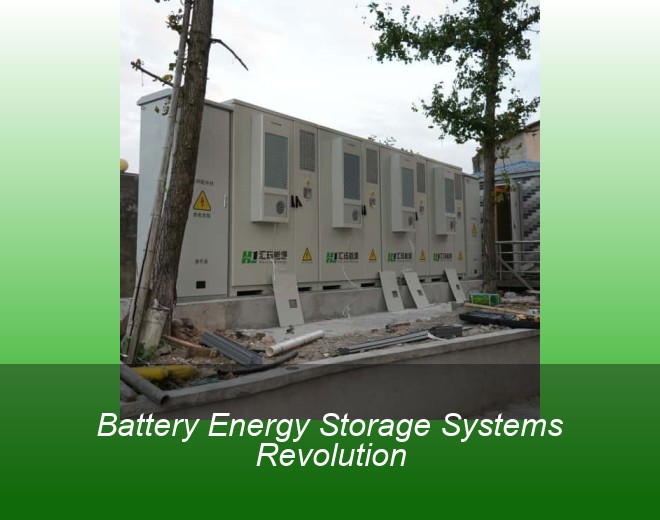
Battery Energy Storage Systems Revolution
You know how your phone dies right when you need it most? Now imagine that happening to entire cities. Last month's Texas grid alert showed us the stakes - 12 million people sweating through near-blackout conditions despite having 38GW of installed renewable capacity. The missing piece? Energy storage solutions that actually work when the sun isn't shining.
 Inquiry
 Online Chat