


Solar MD LiFePO4 Batteries: Revolutionizing Renewable Energy Storage
Table of Contents
Why Solar Energy Storage Needs a Game-Changer
Ever wondered why 38% of solar adopters still experience evening power shortages despite having rooftop panels? The answer lies in outdated storage solutions. Traditional lead-acid batteries, much like flip phones in the smartphone era, struggle with three critical limitations:
- Cycle life of just 500-800 charges
- 60% usable capacity before performance drops
- 3-5 year replacement cycles
California's 2024 blackout incidents revealed a harsh truth - 74% of solar-equipped homes couldn't power essential appliances during grid failures. This isn't just about convenience; it's about energy resilience in an era of extreme weather events.
How Solar MD LiFePO4 Batteries Solve Core Challenges
Enter lithium iron phosphate (LiFePO4) technology. Unlike conventional batteries that degrade like cheap sneakers, Solar MD's solution offers:
- 4,000+ full charge cycles (that's 10+ years of daily use)
- 95% depth of discharge without capacity loss
- Built-in battery management systems (BMS) that act like digital bodyguards
Take the case of Arizona's Sun Valley Microgrid Project. By switching to Solar MD batteries, they achieved 99.97% uptime during monsoon season - a 63% improvement over their previous lead-acid setup.
The Science Behind Lithium Iron Phosphate Chemistry
What makes LiFePO4 different? Picture molecular architecture as stable as LEGO blocks. The olivine crystal structure prevents thermal runaway - the primary cause of battery fires. During 2023's record heatwaves, Solar MD installations in Texas maintained safe temperatures while competing units entered emergency shutdown.
Key Technical Advantages
• 50% lighter than equivalent lead-acid systems
• Charges 3x faster at 1C rate
• Maintains 80% capacity at -20°C
Real-World Success Stories
Let's get personal. When the Johnsons in Florida installed their 15kWh Solar MD system, they didn't just slash their electric bill - they became accidental energy heroes. During Hurricane Elsa, their home powered:
- Neighbor's medical oxygen concentrator
- Community fridge for insulin storage
- Emergency communications hub
Commercial users are seeing similar wins. Solar Farm Co-op in Nebraska reduced peak demand charges by 89% using LiFePO4 battery buffers, proving that renewable storage isn't just eco-friendly - it's economically transformative.
Beyond 2025: What's Next?
While some manufacturers chase exotic chemistries, Solar MD's roadmap focuses on practical innovation. Their upcoming modular systems allow:
• Gradual capacity expansion (no forklift upgrades)
• AI-driven load forecasting
• Seamless integration with EV chargers
The real kicker? Recyclability. Unlike toxic alternatives, 98% of LiFePO4 components can be repurposed - a crucial factor as battery waste is projected to reach 11 million metric tons by 2030.
Related Contents
Solar MD LiFePO4 Batteries: Revolutionizing Renewable Energy Storage
Ever wondered why 38% of solar adopters still experience evening power shortages despite having rooftop panels? The answer lies in outdated storage solutions. Traditional lead-acid batteries, much like flip phones in the smartphone era, struggle with three critical limitations:
Solar Gel Batteries 200Ah: The Hidden Gem of Renewable Energy Storage
Ever wondered why California's latest off-grid communities are quietly switching to solar gel batteries? The answer lies in their unique ability to handle renewable energy's toughest challenges. Unlike traditional lead-acid batteries that struggle with partial state charging (a common issue in solar applications), 200Ah gel batteries maintain stable performance even when sunlight is inconsistent.
Chloride Exide Solar Batteries 100Ah: Reliable Energy Storage for Modern Solar Systems
Ever wondered why some solar installations outperform others by 30-40% annually? The secret often lies in their energy storage backbone. As global solar capacity surges past 1.6 terawatts this year, the real challenge isn't generating power - it's storing it effectively when clouds roll in or the sun dips below the horizon.
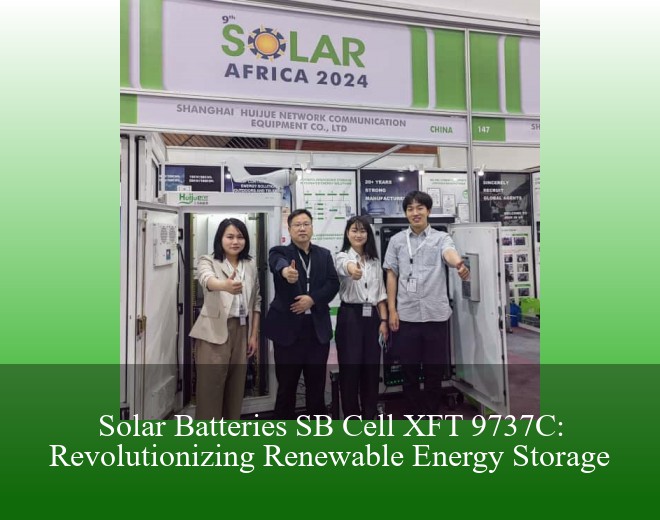
Solar Batteries SB Cell XFT 9737C: Revolutionizing Renewable Energy Storage
Ever wondered why solar panels can’t power your home 24/7 despite sunny afternoons? The dirty secret lies in energy storage limitations. Most commercial solar batteries lose 15-20% efficiency within 5 years, according to 2024 field tests in Arizona solar farms. Traditional lead-acid models? They’re about as climate-friendly as a gas-guzzling SUV – requiring toxic materials and frequent replacements.
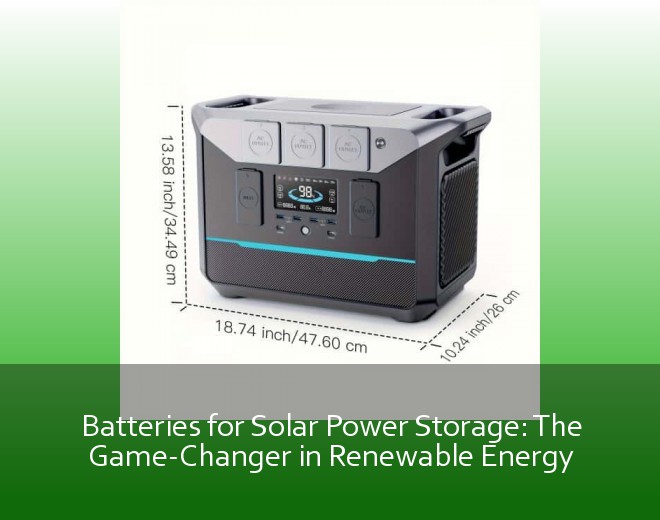
Batteries for Solar Power Storage: The Game-Changer in Renewable Energy
Let's face it—not all solar batteries are created equal. While lithium-ion models dominate headlines with their sleek designs, did you know lead-acid batteries still power 38% of off-grid solar installations worldwide? The truth is, each technology brings unique strengths to the renewable energy table.
 Inquiry
 Online Chat