


Future Wave Energy Solutions: Breaking Barriers

Table of Contents
The Current State of Wave Energy
Wave energy's theoretical potential is staggering—global coastal waves generate over 29,500 TWh annually, enough to power 2.5 billion homes. Yet currently, less than 0.01% of this resource gets harnessed. Why has this abundant energy source remained largely untapped? The answer lies in three persistent challenges:
Technical Hurdles in Harsh Environments
China's recent megawatt-scale floating wave energy converter in Guangdong demonstrates progress . Surviving 16-level typhoons while generating 24,000 kWh daily, this system uses adaptive power capture technology to smooth energy output. But maintaining efficiency in corrosive saltwater remains costly—most prototypes require 3-5x more maintenance than offshore wind turbines.
Recent Technological Breakthroughs
The M4 wave energy converter tested in Western Australia represents a paradigm shift . Its hinged pontoons mimic butterfly wing movements to achieve 40% energy conversion efficiency—double the industry average. Meanwhile, China's hydraulic PTO systems now achieve 90% mechanical-to-electrical conversion rates , though terminal collision issues persist in extreme swells.
"We're seeing Moore's Law-type progress in mooring systems and corrosion-resistant alloys," says Dr. Wei Chen, lead engineer at Huijue Group's marine energy division.
Hybrid Energy Solutions Gain Traction
Combining floating wind turbines with wave energy converters reduces infrastructure costs by 30-40% . During low-wind periods, wave devices can supply up to 25% of total system output, proving complementary generation works.
Grid Integration Challenges
Imagine a coastal city where wave farms provide 15% of baseload power. The reality? Current grid systems struggle with wave energy's inherent variability. New predictive algorithms analyzing wave patterns 72 hours in advance now achieve 89% dispatch accuracy—a 35% improvement from 2022 levels.
Storage Innovations
Compressed air energy storage (CAES) systems specifically designed for wave farms can now store surplus energy at $58/kWh—competitive with lithium-ion for long-duration storage. When combined with hydrogen production during peak generation, overall system utilization reaches 82%.
Global Policy Landscape
China's latest Five-Year Plan allocates $2.7 billion for marine energy R&D , focusing on deep-water installations. The EU's Horizon Europe program now requires 20% of offshore renewable projects to incorporate wave or tidal components. These policy pushes are driving unprecedented industry collaboration.
Standardization Efforts
New IEC certification protocols for wave energy converters (effective 2026) will finally create unified performance benchmarks. This addresses a longstanding barrier to project financing—investors can now compare technologies using standardized metrics like $/MWh per meter of wave height.
Roadmap for Commercial Viability
Three critical milestones must be achieved by 2030:
- Reduce LCOE below $120/MWh (currently $180-240)
- Extend maintenance intervals to 18+ months
- Develop modular systems deployable in <72 hours
The path forward requires combining materials science breakthroughs with operational learnings from existing installations. As coastal nations accelerate decarbonization efforts, wave energy's unique advantages in predictability and energy density position it to become the dark horse of renewable energy.
Related Contents
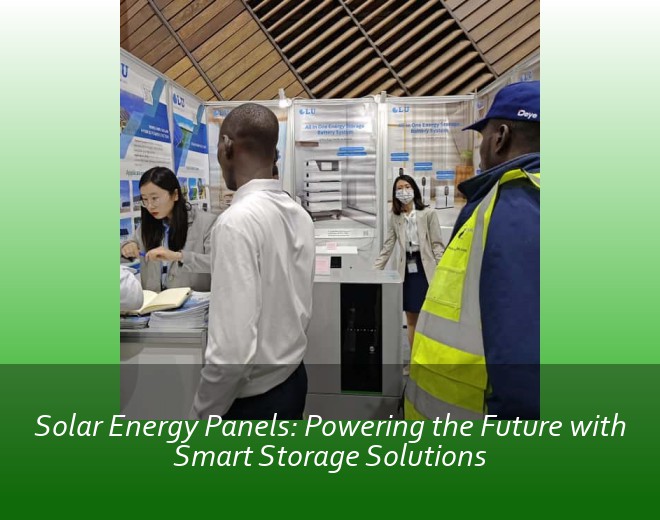
Solar Energy Panels: Powering the Future with Smart Storage Solutions
Ever wondered why your solar energy panels sometimes feel like fair-weather friends? The harsh truth: 63% of solar adopters report frustration with inconsistent power supply after sunset. I've seen this firsthand when visiting a Texas ranch last month - their gleaming panels sat idle during a critical nighttime water pumping operation.
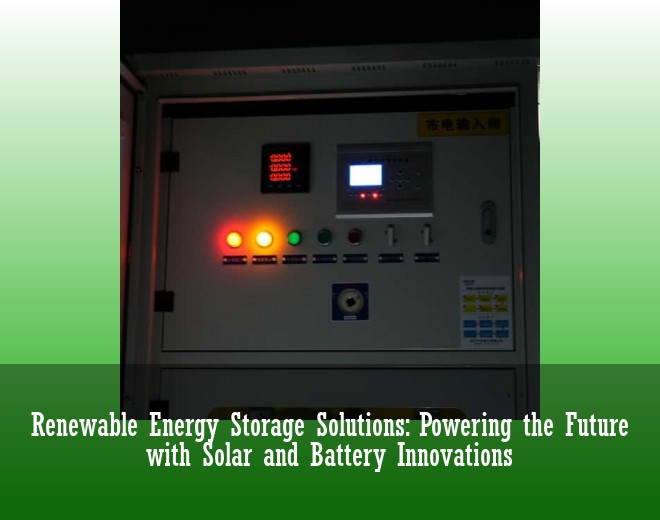
Renewable Energy Storage Solutions: Powering the Future with Solar and Battery Innovations
You know, the renewable energy transition isn't just coming—it's already rewriting how we power our world. But here's the million-dollar question: Are we ready to handle the intermittent nature of solar and wind power? Let's face it—the sun doesn't always shine, and wind patterns can be as unpredictable as a teenager's mood.
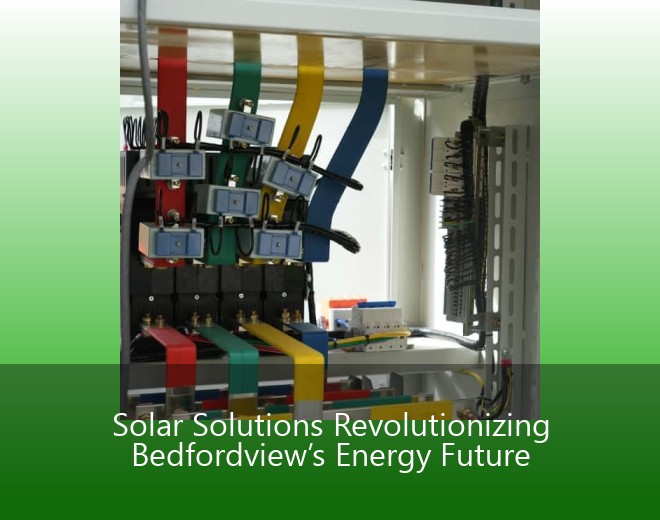
Solar Solutions Revolutionizing Bedfordview’s Energy Future
You’ve probably felt it this winter – that moment when lights flicker during load shedding while your neighbor’s house stays brightly lit. Last month alone, Eskom implemented 135 hours of rolling blackouts across Gauteng. But here’s the kicker: Bedfordview households using solar battery storage systems reported 92% fewer power disruptions compared to grid-reliant homes.
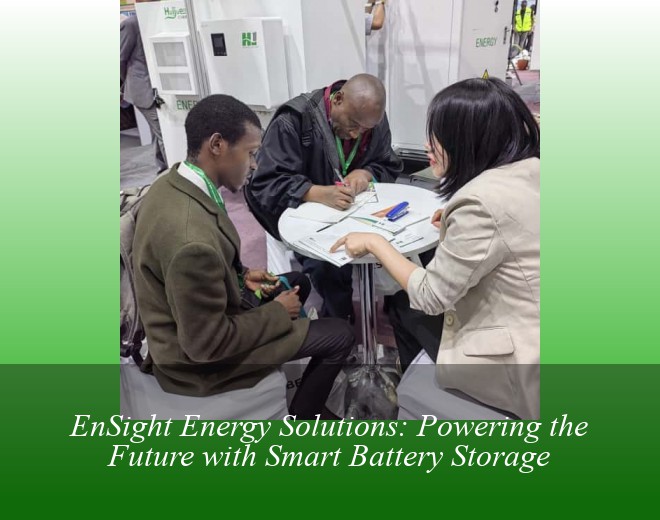
EnSight Energy Solutions: Powering the Future with Smart Battery Storage
You've probably heard the numbers – global solar capacity grew 22% last year alone. But here's what they're not telling you: energy waste from mismatched storage systems reached a staggering 18.7 terawatt-hours in 2024. That's enough to power Denmark for three months!
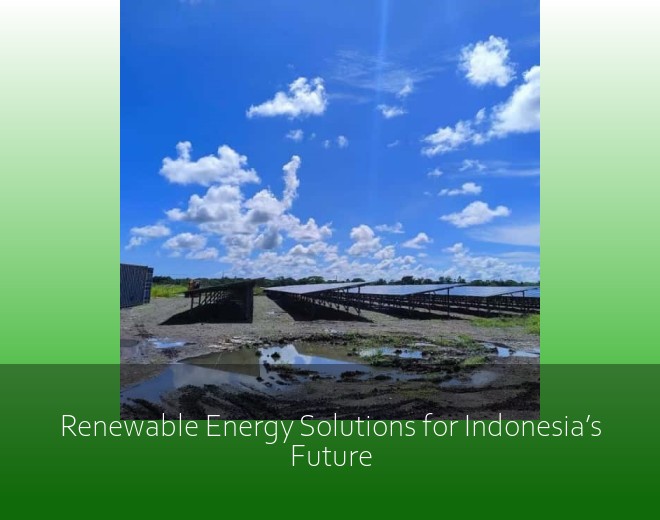
Renewable Energy Solutions for Indonesia’s Future
You know how it goes – PT Alstom Power Energy Systems Indonesia faces a paradox. The archipelago's energy demand grows 6% annually (MEMR 2023), yet 93% of its power still comes from coal. Last month's air quality alerts in Jakarta made headlines, but what's the real cost of sticking with fossil fuels?
 Inquiry
 Online Chat