


Going Solar: Panels & Batteries 101
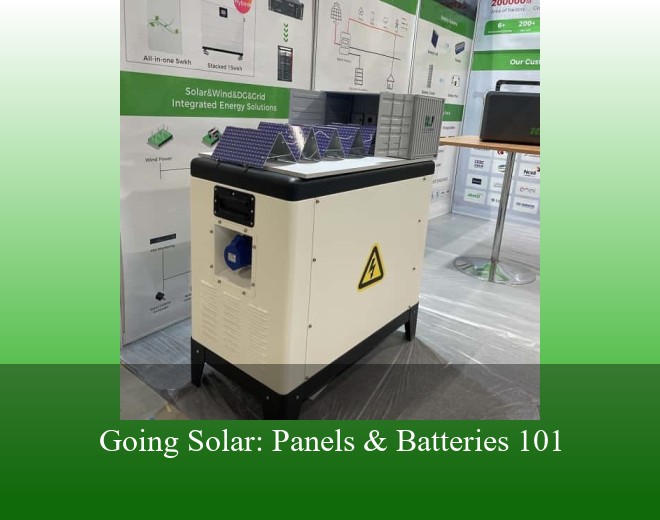
Table of Contents
Why Solar + Storage Became Non-Negotiable
Last winter's Texas grid collapse left 4.5 million homes freezing in the dark - while solar-equipped households kept lights on using battery reserves. This wake-up call explains why US residential solar installations jumped 35% in Q1 2025 compared to 2024. But what makes modern systems truly revolutionary isn't just panels - it's the marriage with smart battery tech.
From Sunbeams to Socket: How Panels Work
Modern photovoltaic cells achieve 22-23% efficiency - nearly double 2010s standards. Take California's SunFarm project: their 10,000 bifacial panels generate power from both sides, producing 40% more energy than traditional models during peak hours.
The Chemistry Behind the Magic
While silicon remains the workhorse, perovskite tandem cells are stealing headlines. These layered materials capture different light wavelengths - like a solar-powered lasagna. Early adopters report 31% efficiency rates, though durability testing continues.
Batteries: The Night Shift Heroes
Lithium-ion dominates home storage (92% market share), but iron-air batteries are emerging as dark horses. Vermont's pilot program uses these iron-based units that cost 1/10th of lithium alternatives - perfect for whole-house backup despite their bulkier size.
"Our Tesla Powerwall lasted three days during the February blackout. Without it, my husband's insulin would've spoiled." - Linda K., Austin resident
When Theory Meets Reality: Off-Grid Wins
Alaska's Kotzebue village runs on solar+battery systems 327 days/year. Diesel generators now serve only as emergency backups, cutting fuel costs by $3.8 million annually. Their secret? Arctic-optimized panels tilted at 60° to shed snow.
Picking Your Solar Soulmate
Key considerations often overlooked:
- Peak vs. continuous discharge rates (critical for AC units)
- Depth of discharge limits (affects battery lifespan)
- Software compatibility (avoid vendor lock-in)
Remember that viral TikTok from @SolarSis? Her "battery sandwich" hack using used EV batteries slashed storage costs by 60%. While not UL-certified, it highlights the DIY spirit reshaping the industry.
The Maintenance Myth
Contrary to popular belief, solar systems aren't "install and forget." Dust accumulation can slash output by 25% in arid regions. Arizona users report 13% higher yields after switching to robotic panel cleaners - a worthy $200/year investment.
Future-Proofing Your Setup
With vehicle-to-grid (V2G) tech emerging, your future EV could power your home during outages. Early adopters like Ford F-150 Lightning owners already enjoy this bidirectional charging - essentially turning trucks into giant backup batteries.
As solar installer Jamal Carter puts it: "We're not selling hardware anymore. We're selling energy independence - and that changes everything." Whether you're motivated by blackout protection or climate action, 2025 offers more pathways than ever to unplug from the grid while staying powered up.
Related Contents
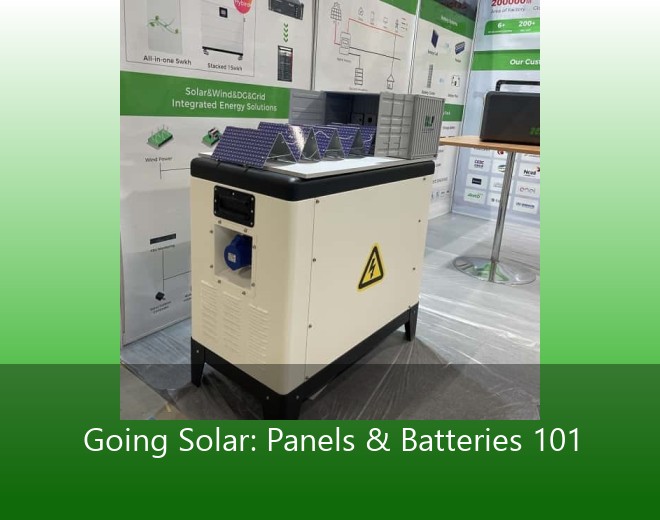
Going Solar: Panels & Batteries 101
Last winter's Texas grid collapse left 4.5 million homes freezing in the dark - while solar-equipped households kept lights on using battery reserves. This wake-up call explains why US residential solar installations jumped 35% in Q1 2025 compared to 2024. But what makes modern systems truly revolutionary isn't just panels - it's the marriage with smart battery tech.
How Solar Panels, Batteries, and Inverters Work Together
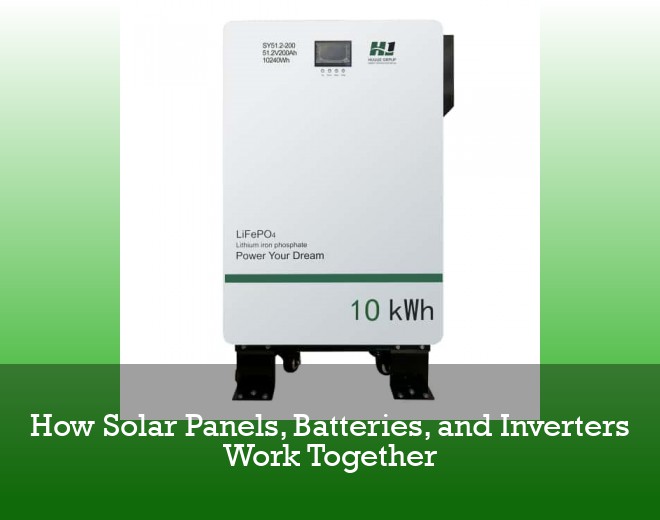
Ever wondered how sunlight becomes usable electricity in your home? Let's start with the basics: solar panels capture sunlight, batteries store excess energy, and inverters make the power usable. These three components form the backbone of modern renewable energy systems.
Harness Solar Power with 400W Panels & 200Ah Batteries
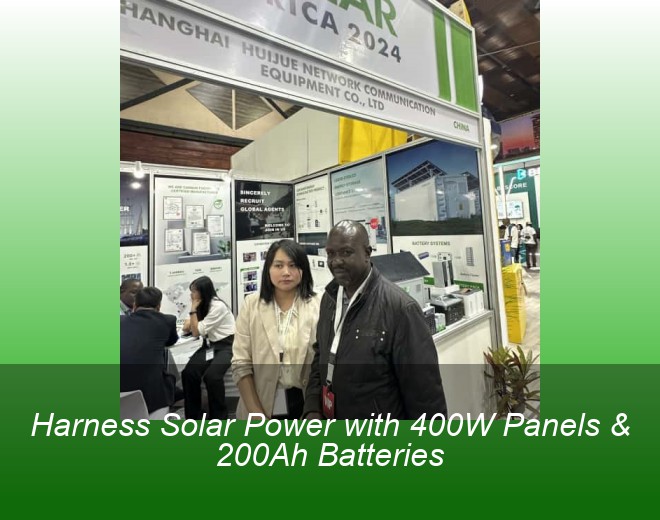
Last month, Texas saw rolling blackouts during an unexpected cold snap – again. Meanwhile, California households paid 38% more for electricity compared to 2020 rates. 400 watt solar panels paired with 200ah batteries aren't just eco-friendly choices anymore; they're becoming financial lifelines.
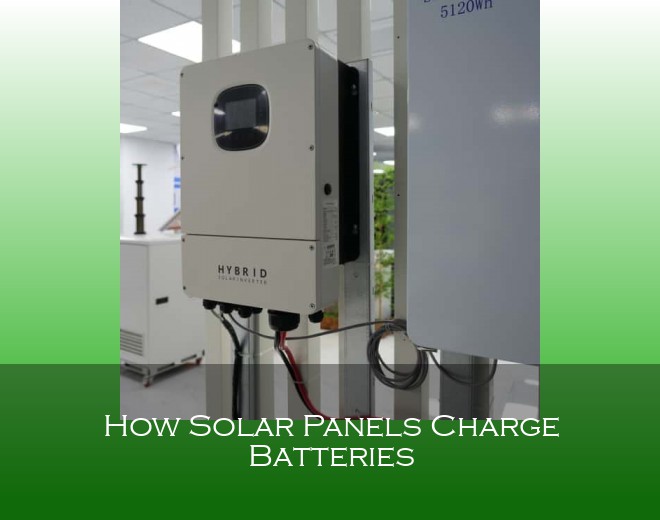
How Solar Panels Charge Batteries
You've probably seen rooftops plastered with solar panels, but how do those shiny rectangles actually fill batteries with usable power? Let's break it down using a 2023 California household as our guinea pig. Their 5kW system generates about 20kWh daily - enough to power a Tesla Model 3 for 60 miles and keep the fridge cold.
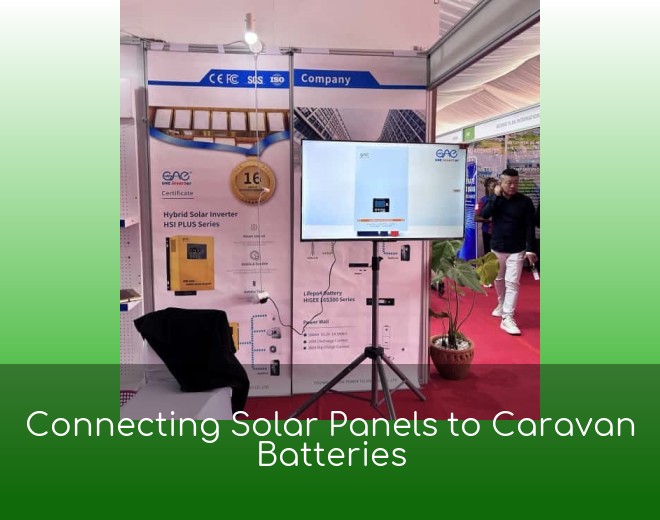
Connecting Solar Panels to Caravan Batteries
Ever found yourself rationing device charging during camping trips? Traditional caravan power sources like lead-acid batteries often leave travelers stranded with flat batteries. According to RVIA data, 68% of caravan owners experience power shortages within 3 days of off-grid travel.
 Inquiry
 Online Chat