


Lead Acid vs Lithium Solar Batteries
Table of Contents
The Upfront Cost Showdown
Let's cut to the chase - lead acid batteries cost 50-70% less initially than their lithium counterparts. But wait, is that the whole story? A typical 10kWh lead acid system runs about $2,000, while lithium-ion setups hover around $6,000. However, lithium's longer lifespan changes the math dramatically over 10 years.
The Hidden Price Tag
Lead acid requires regular maintenance and replacement every 4-7 years. I've seen homeowners shocked when their "bargain" system needs $1,200 in battery replacements every 5 years. Lithium systems? They'll likely outlast your solar panels with 80% capacity after 10 years.
Energy Density Wars
Lithium-ion packs 3x more power per cubic foot. Imagine trying to fit 150kg of lead acid batteries where 50kg of lithium would suffice. This compactness explains why 92% of new solar installations in California now choose lithium.
But here's the rub - lead acid handles extreme temperatures better. During last December's Texas freeze (-10°C), lithium systems failed while lead acid kept humming. Though let's be honest, how often does your garage hit arctic temperatures?
The Lifespan Mystery
Cycle life numbers tell a brutal truth:
- Flooded lead acid: 300-500 cycles
- AGM batteries: 500-600 cycles
- Lithium iron phosphate: 3,000-5,000 cycles
Yet I've witnessed properly maintained lead acid banks lasting 12 years in Arizona. The secret? Monthly equalization charges and strict 50% depth-of-discharge limits. But who has time for that level of babysitting?
What Solar Installers Won't Tell You
Last month, a Colorado couple showed me their lead acid system's maintenance log - 87 hours annual upkeep vs 2 hours for lithium. That's 3.5 lost weekends every year! Now calculate your hourly rate against battery maintenance...
The Off-Grid Paradox
Rural Alaskan installations still swear by lead acid. Why? -40°C temperatures can permanently damage lithium cells. Sometimes old tech survives through sheer ruggedness.
Chemistry Behind the Scenes
Lead acid's sulfuric acid electrolyte versus lithium's lithium salt solutions create fundamentally different behaviors. When lithium ions shuttle between anode and cathode, they don't degrade materials like lead sulfate crystallization does.
But here's an industry secret - new carbon-enhanced lead batteries now achieve 1,200 cycles. They're not lithium killers, but they're closing the gap. The real winner? Consumers getting better options regardless of chemistry.
So which should you choose? If you're the "set and forget" type, lithium's your soulmate. If you enjoy tinkering and need extreme cold performance, lead acid might surprise you. Either way, solar storage has never been this exciting.
Related Contents
Lead Acid vs Lithium Solar Batteries
Let's cut to the chase - lead acid batteries cost 50-70% less initially than their lithium counterparts. But wait, is that the whole story? A typical 10kWh lead acid system runs about $2,000, while lithium-ion setups hover around $6,000. However, lithium's longer lifespan changes the math dramatically over 10 years.
Lithium-Ion vs Lead-Acid Solar Batteries
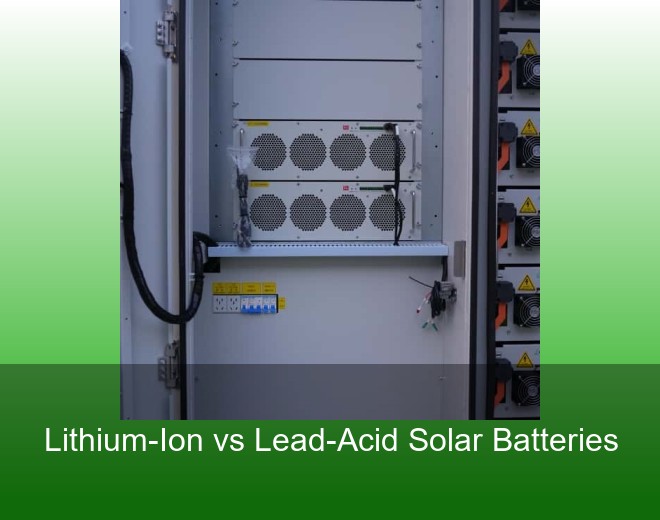
Let’s face it – choosing between lithium-ion and lead-acid batteries for solar setups can feel like navigating a maze blindfolded. You know both store energy, but why does one cost three times more? And wait, aren’t car batteries lead-acid? Does that tech even belong in modern solar systems?
Best Lead Acid Solar Batteries Guide
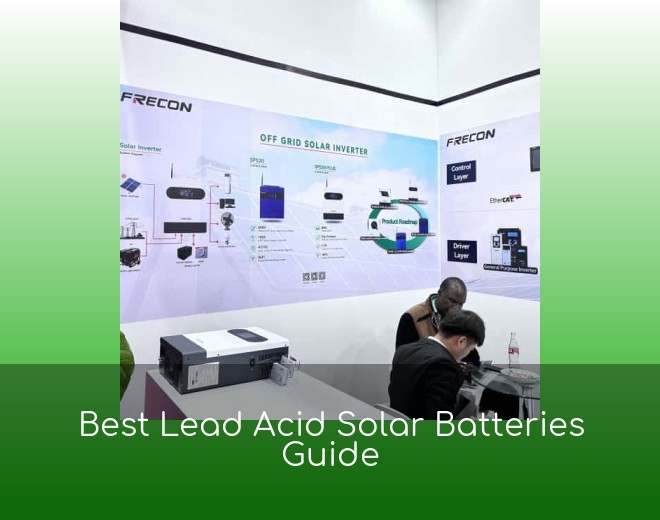
You've probably heard lithium-ion's the "future," but did you know 68% of U.S. off-grid solar systems still use lead acid battery banks? These veterans have powered everything from rural clinics to mountain weather stations since the 1970s. Just last month, a Texas microgrid project combined 400kWh of lead acid storage with solar panels to keep lights on during tornado outages.
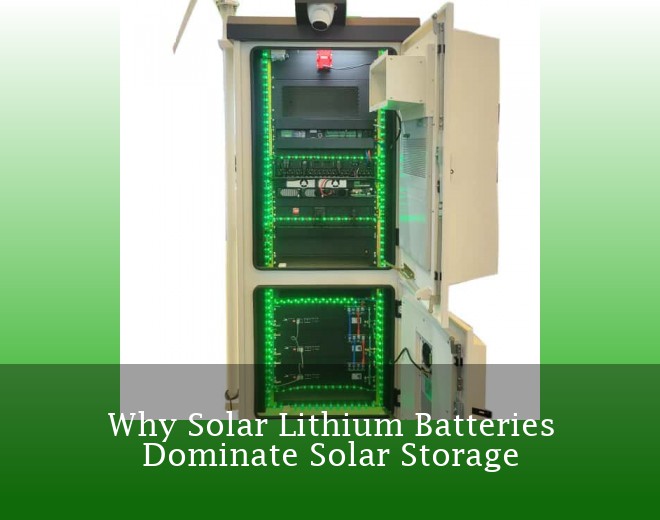
Why Solar Lithium Batteries Dominate Solar Storage
Let's face it – the solar industry's been stuck with lead-acid batteries since the 1970s. But here's the kicker: lithium batteries now power 68% of new solar installations globally. Why the sudden shift? Well, imagine trying to charge your smartphone with a car battery. That's essentially what we've been doing with solar systems using outdated battery tech.
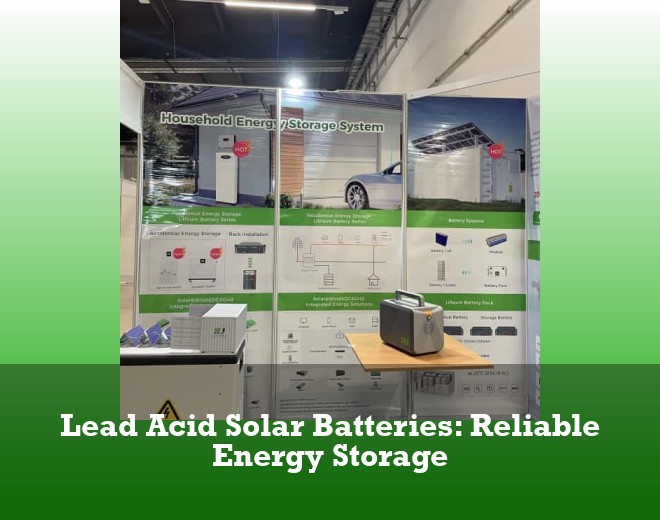
Lead Acid Solar Batteries: Reliable Energy Storage
Picture this - it's 1859, and French physicist Gaston Planté just invented the first rechargeable battery using lead plates and sulfuric acid. Fast forward to 2025, and this 166-year-old technology still powers 68% of global solar storage systems. The secret? Those lead dioxide and sponge lead plates create a chemical dance that stores energy more reliably than most disco moves.
 Inquiry
 Online Chat