


Lithium-Ion vs Lead-Acid Solar Batteries
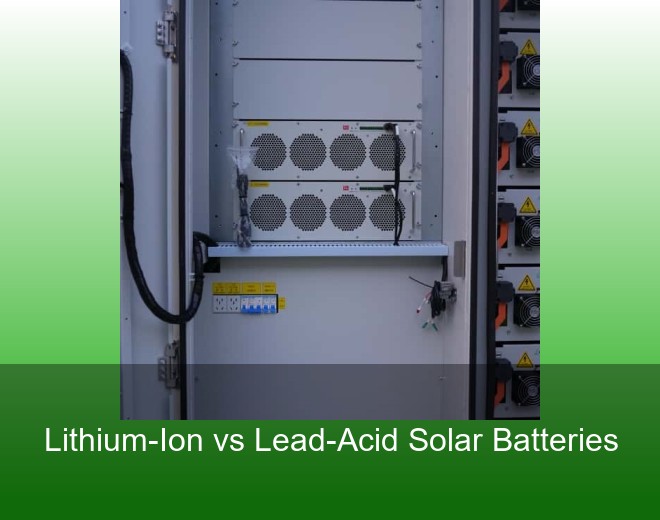
Table of Contents
Understanding Solar Battery Basics
Let’s face it – choosing between lithium-ion and lead-acid batteries for solar setups can feel like navigating a maze blindfolded. You know both store energy, but why does one cost three times more? And wait, aren’t car batteries lead-acid? Does that tech even belong in modern solar systems?
The Core Differences That Matter
Lead-acid batteries, the old faithful of energy storage, work through a chemical reaction between lead plates and sulfuric acid. They’ve powered everything from submarines to golf carts since the 1850s. Lithium-ion batteries, on the other hand, shuttle lithium ions between graphite and metal oxide electrodes. This fundamental distinction drives every performance gap you’ll see in solar applications.
Performance Showdown: Key Metrics
Here’s where things get juicy. Let’s break down five make-or-break factors:
1. Cycle Life: The Longevity Wars
A typical lead-acid battery lasts 500-1,000 cycles before capacity drops to 80%. Lithium-ion? Try 3,000-5,000 cycles. But here’s the kicker – depth of discharge matters. Draining a lead-acid battery below 50% regularly? You’re basically cutting its lifespan in half. Lithium handles 80-90% daily discharges without breaking a sweat.
2. Efficiency: Every Watt Counts
Ever noticed your lead-acid battery feels warm during charging? That’s wasted energy. Lithium-ion systems boast 95-98% round-trip efficiency versus 80-85% for lead-acid. For a 10kW daily solar harvest, that difference could power your fridge for an extra hour every day.
Arizona Case Study: 3-Year Comparison
Smith Residence (Lead-Acid):
- Year 1: 12kWh usable storage
- Year 3: 8.4kWh (-30% capacity)
Jones Residence (Lithium-Ion):
- Year 1: 13.5kWh
- Year 3: 12.8kWh (-5% capacity)
Real-World Installation Stories
Take Maria’s off-grid cabin in Colorado. She opted for lead-acid because, well, “they’re cheaper upfront.” Fast forward 18 months – replacing swollen batteries cost her $1,200, negating her initial savings. Contrast that with Tom’s lithium-powered tiny home: after three winters, his system still delivers 94% original capacity.
The Maintenance Trap
Lead-acid batteries demand monthly checkups – water levels, terminal cleaning, equalization charges. Miss one? Performance plummets. Lithium’s essentially “install and forget.” But here’s the rub: lithium’s battery management systems can fail catastrophically if overheated, as seen in a 2024 California wildfire incident.
Beyond 2025: What’s Next?
With lithium prices dropping 40% since 2022 and new regulations phasing out flooded lead-acid batteries in 31 states, the tide’s turning. Yet lead-acid isn’t dead – innovations like carbon-enhanced plates are pushing cycle counts to 1,500+. For budget-conscious projects under $5k, they still make sense.
The Recycling Reality Check
We’ve all heard lithium’s “98% recyclable” claims. The truth? Only 5% of spent lithium batteries actually enter recycling streams globally. Lead-acid boasts a 99% US recycling rate – but that comes with its own environmental baggage from smelting operations.
So where does this leave you? If your solar project needs to last beyond 2030, lithium’s deep-cycle performance is hard to ignore. But for seasonal cabins or backup systems used twice a year? A quality lead-acid setup might save thousands without compromising reliability.
Related Contents
Lead Acid vs Lithium Solar Batteries
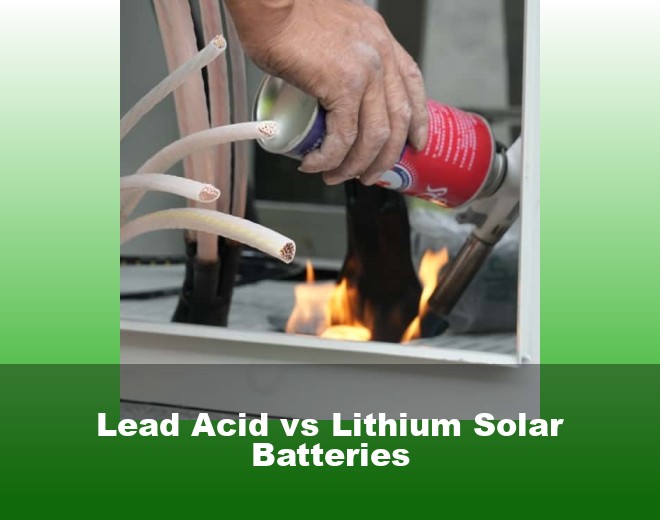
Let's cut to the chase - lead acid batteries cost 50-70% less initially than their lithium counterparts. But wait, is that the whole story? A typical 10kWh lead acid system runs about $2,000, while lithium-ion setups hover around $6,000. However, lithium's longer lifespan changes the math dramatically over 10 years.
Lithium-Ion vs Lead-Acid Solar Batteries
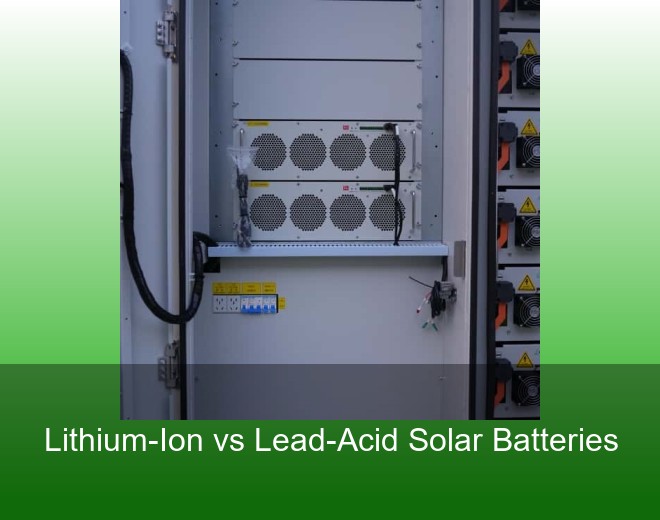
Let’s face it – choosing between lithium-ion and lead-acid batteries for solar setups can feel like navigating a maze blindfolded. You know both store energy, but why does one cost three times more? And wait, aren’t car batteries lead-acid? Does that tech even belong in modern solar systems?
Solar Energy Storage Revolution: Why Gel Lead-Acid Batteries Dominate
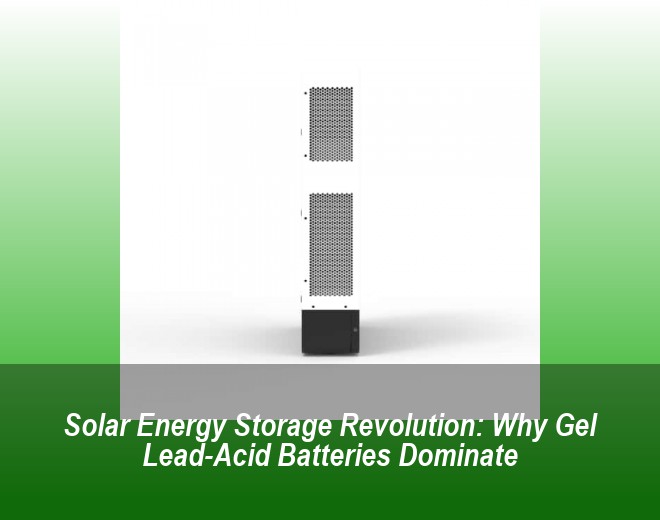
You know what's ironic? While everyone's obsessing over lithium-ion batteries, over 68% of solar energy storage systems in harsh environments still rely on a century-old technology - but with a modern twist. Gel lead-acid batteries, particularly those using PVV (Pressure Ventilated Valve) technology, have become the dark horses of renewable energy storage.
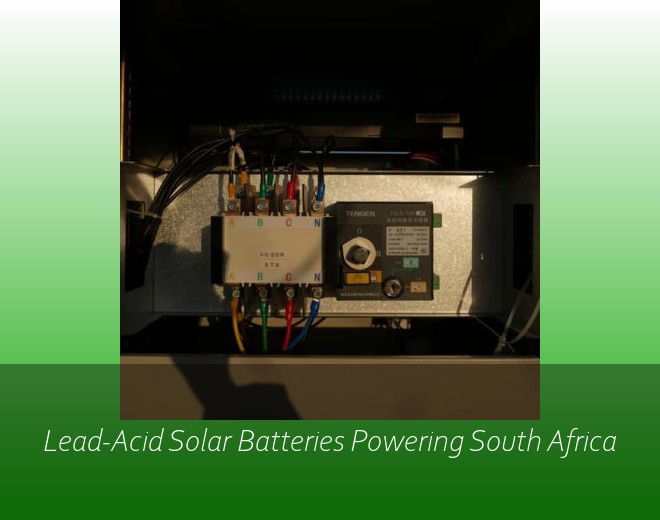
Lead-Acid Solar Batteries Powering South Africa
You've probably seen the headlines - load shedding hours hit record highs in February 2025, with some Johannesburg suburbs experiencing 10-hour daily blackouts. But here's what they're not telling you: 43% of new solar installations now include battery storage compared to just 18% in 2022. Why the sudden surge? Because South Africans have moved beyond just generating solar power - they need to store it effectively.
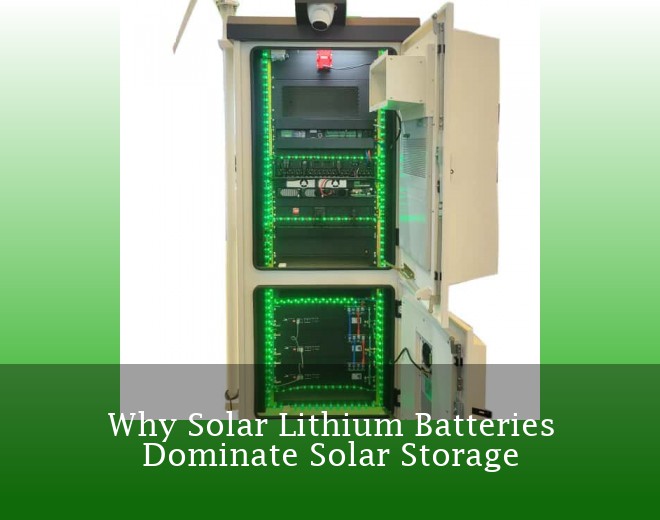
Why Solar Lithium Batteries Dominate Solar Storage
Let's face it – the solar industry's been stuck with lead-acid batteries since the 1970s. But here's the kicker: lithium batteries now power 68% of new solar installations globally. Why the sudden shift? Well, imagine trying to charge your smartphone with a car battery. That's essentially what we've been doing with solar systems using outdated battery tech.
 Inquiry
 Online Chat