


Harnessing Solar Power: The Future of Energy Concentration
Table of Contents
What Makes Solar Concentration Special?
most people think solar energy means rooftop panels. But concentrated solar power (CSP) is rewriting the rules. Unlike standard photovoltaic systems that convert sunlight directly to electricity, CSP uses mirrors to focus sunlight onto receivers, creating intense heat that drives turbines. This thermal approach achieves 40% efficiency in modern plants, compared to PV's typical 15-20% conversion rates.
arrays of sun-tracking mirrors focusing sunlight onto a central tower like thousands of magnifying glasses. The resulting temperatures can reach 560°C - hot enough to melt salt for energy storage. This thermal inertia allows CSP plants to generate electricity even after sunset, solving solar's notorious intermittency problem.
The Great Energy Showdown: CSP vs Traditional PV
While photovoltaic systems dominate residential markets, utility-scale CSP installations are booming in sun-rich regions. The Ivanpah plant in California's Mojave Desert demonstrates this perfectly - its 173,500 heliostats generate 392 MW, enough to power 140,000 homes during peak hours.
Three key advantages set CSP apart:
- Integrated thermal storage (up to 15 hours in new plants)
- Grid-friendly synchronous generation
- Hybrid operation with fossil fuels
Real-World Success Stories You Can't Ignore
Morocco's Noor Complex showcases CSP's potential in developing nations. This $2.5 billion project combines 580 MW of concentrated solar power with innovative salt storage, providing stable electricity to 1.1 million people while reducing carbon emissions by 760,000 tons annually.
But wait - there's more. Australian researchers recently achieved a breakthrough with 24/7 CSP generation using supercritical CO₂ instead of steam. This innovation could slash costs by 20% while boosting efficiency above 50%.
The Storage Synergy You Haven't Considered
Here's where it gets interesting. Modern CSP plants don't just store heat - they're becoming thermal batteries for other renewables. Excess wind energy can be converted to heat via resistance heaters, then stored in molten salt for later use. This multi-energy integration creates a flexible grid buffer that pure PV systems can't match.
Take Spain's Gemasolar plant. By combining central tower design with molten salt storage, it achieves 6,500 annual operating hours - nearly triple the capacity factor of typical solar farms. The secret sauce? Storing heat at 565°C in a mixture of sodium and potassium nitrates.
Tomorrow's Challenges (and Why They Matter)
Despite impressive growth, CSP faces hurdles. Land requirements (5-10 acres/MW) limit deployment in densely populated areas. Water consumption for cooling remains contentious in arid regions. And while costs have dropped 47% since 2010, CSP still requires significant upfront investment compared to PV.
But here's the kicker - emerging technologies like particle receivers and sCO₂ cycles promise to overcome these limitations. The U.S. Department of Energy's SunShot Initiative aims to achieve $0.05/kWh for CSP with 15-hour storage by 2030. If successful, this could make solar concentration systems the backbone of carbon-free grids worldwide.
As we approach Q4 2025, industry eyes are on China's new 200 MW molten salt tower project in Qinghai Province. Using locally sourced materials and AI-driven mirror alignment, it represents the next evolution in cost-effective CSP deployment. Could this model finally bridge the gap between concentrated solar and conventional power generation? The answer might just determine our energy future.
Related Contents
Harnessing Solar Power: The Future of Energy Concentration
most people think solar energy means rooftop panels. But concentrated solar power (CSP) is rewriting the rules. Unlike standard photovoltaic systems that convert sunlight directly to electricity, CSP uses mirrors to focus sunlight onto receivers, creating intense heat that drives turbines. This thermal approach achieves 40% efficiency in modern plants, compared to PV's typical 15-20% conversion rates.
Harnessing Solar Power: The Complete Guide to 9V Solar Panels with Battery Systems
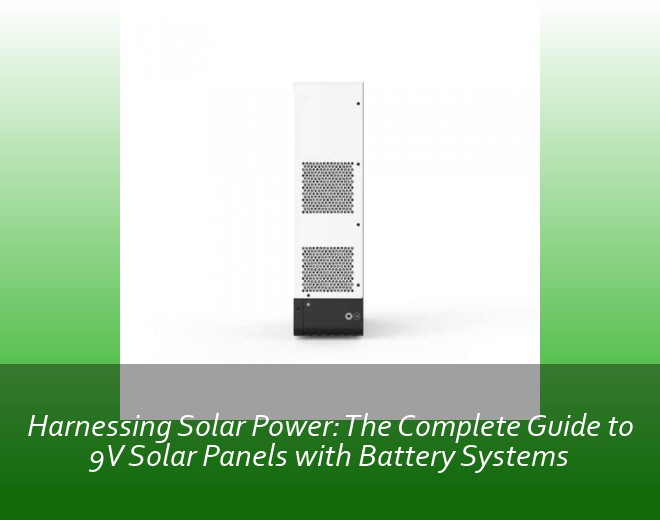
Ever found yourself stranded with dead devices during a camping trip? That's where 9-volt solar battery systems become game-changers. Unlike their bulkier 12V cousins, these compact units have seen a 15% surge in adoption since 2022 according to REA's latest market report. But why the sudden hype?
Solar Power Systems: Your Energy Future Starts Here
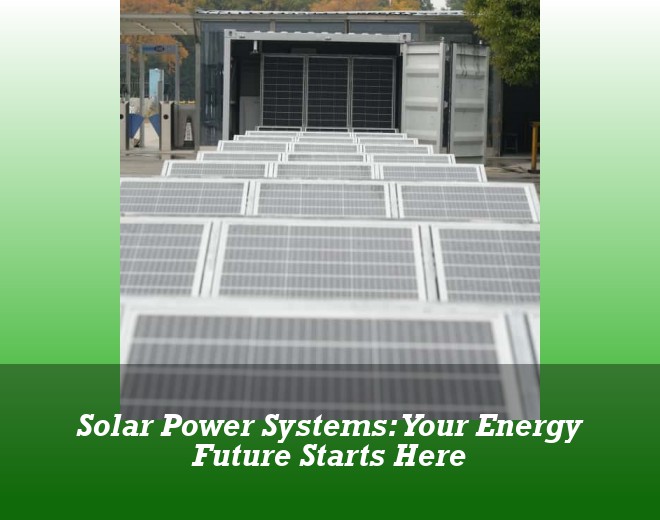
You know what's fascinating? Over 2.7 million American homes have already adopted grid-tied solar systems, making them the most popular choice nationwide. These systems connect directly to utility grids, acting like a sort of energy partnership between homeowners and power companies.
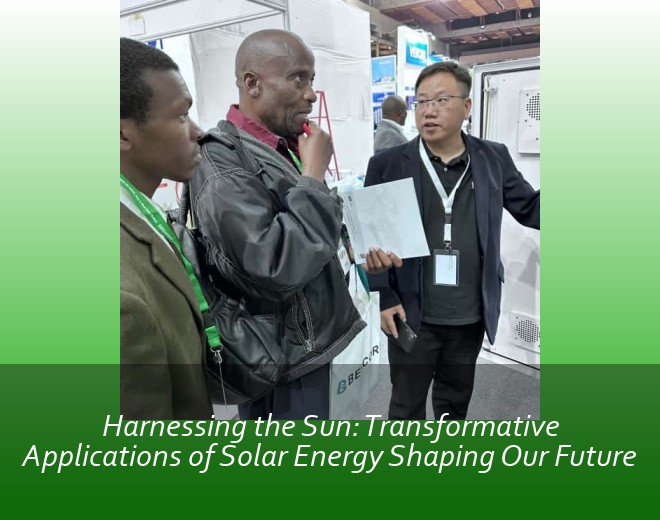
Harnessing the Sun: Transformative Applications of Solar Energy Shaping Our Future
we've all seen those glossy solar panel ads promising energy independence. But what's truly revolutionary lies beneath the surface. Right now, solar isn't just about rooftop panels; it's powering weather stations in the Gobi Desert and heating swimming pools in Reykjavik through thermal exchange systems. The U.S. Energy Department reports solar capacity grew 35% year-over-year through Q1 2025, with commercial installations outpacing residential for the first time.
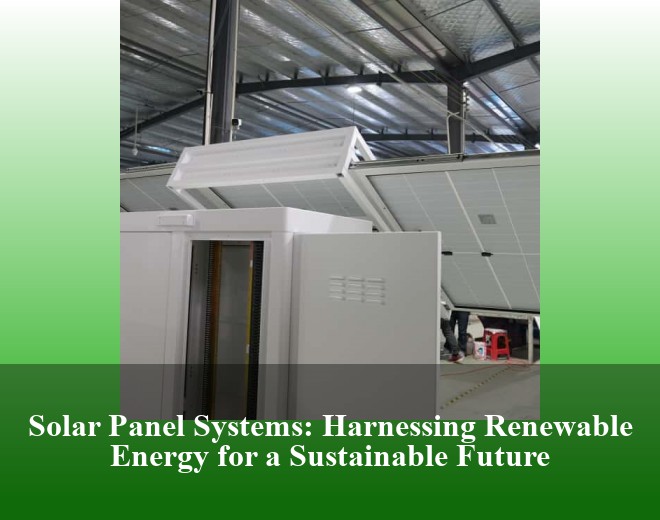
Solar Panel Systems: Harnessing Renewable Energy for a Sustainable Future
You've probably seen those sleek solar panels popping up on rooftops everywhere. But here's the kicker - global solar capacity grew 22% last year alone, enough to power 40 million homes. Why are we suddenly betting big on sunlight? Well, it's not just about being eco-friendly. The real story lies in three converging factors: plunging technology costs, government incentives, and let's face it - our growing frustration with unreliable power grids.
 Inquiry
 Online Chat