


Solar Battery Cabinets: The Game-Changer in Renewable Energy Storage Solutions
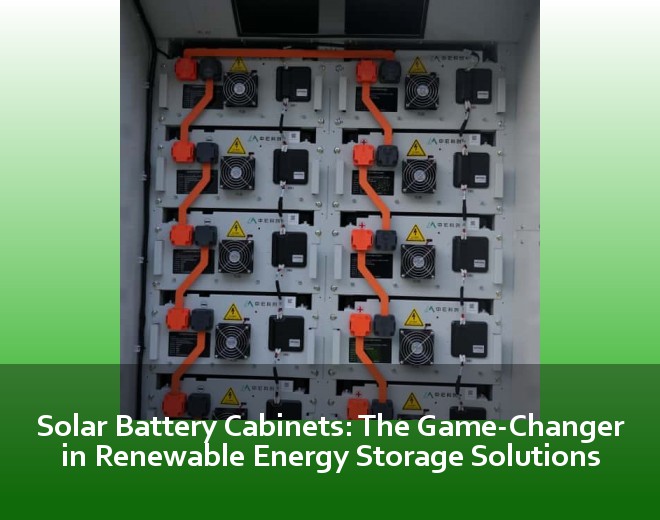
Table of Contents
Why Are We Still Struggling with Energy Storage?
our transition to renewable energy hasn't exactly been smooth sailing. While solar panels now power over 42 million American homes, we've hit a brick wall when the sun goes down. Traditional lead-acid batteries? They're about as efficient as carrying water in a sieve, losing up to 20% of stored energy through self-discharge alone.
The Hidden Costs of "Green" Energy
You know what's frustrating? Watching perfectly good solar energy go to waste because we can't store it effectively. The U.S. Energy Department estimates we're squandering 35% of generated solar power through inadequate storage solutions. It's like growing a bumper crop only to let it rot in the fields!
How Solar Battery Cabinets Solve Modern Energy Challenges
Enter the solar battery cabinet - the unsung hero of renewable energy systems. Unlike standalone batteries, these integrated units combine:
- Advanced lithium-ion storage cells
- Smart energy management systems
- Weather-resistant enclosures
Take Nigeria's Reeddi startup [reference needed from original Chinese content]. By deploying portable solar battery cabinets through neighborhood stores, they've reduced energy costs by 60% for urban households. Now that's what I call practical innovation!
The Nuts and Bolts of Solar Battery Cabinet Technology
Modern solar battery cabinets aren't just boxes with batteries - they're AI-powered energy hubs. The latest models feature:
- Self-diagnostic systems that predict maintenance needs
- Bi-directional inverters with 97% efficiency
- Modular designs allowing capacity upgrades
China's Tronmai made waves at EES Europe 2023 with their Track liquid-cooled system . Using phase-change materials and precision thermal management, they've achieved 3°C temperature variance across battery cells - a game-changer for longevity.
Real-World Success Stories You Can't Ignore
Let me tell you about a California school district that switched to solar battery cabinets last fall. They're now saving $18,000 monthly on energy costs while maintaining power during rolling blackouts. How's that for a return on investment?
When Disaster Strikes: The Puerto Rico Case Study
After Hurricane Maria, solar battery cabinets became literal lifelines. Communities using these systems restored power 72 hours faster than grid-dependent areas. The secret? Distributed storage avoids single points of failure that plague traditional power networks.
Where Does This Technology Go From Here?
The Canadian Photovoltaic Energy Storage Expo 2024 revealed exciting trends:
- Stackable cabinet systems for urban high-rises
- Vehicle-to-grid integration for EV owners
- Blockchain-based energy sharing platforms
But here's the kicker - we're seeing 14% year-over-year cost reductions in cabinet systems while efficiency climbs. It's not often you get better technology for less money, but that's exactly what's happening in this space.
The Maintenance Revolution
Remember when servicing energy systems meant hours of downtime? New self-healing battery cabinets can isolate faulty cells in milliseconds. Siemens recently demonstrated a system that reroutes power automatically - technicians received maintenance alerts before the system itself showed any performance dip!
So where does this leave us? Solar battery cabinets aren't just another tech fad. They're the linchpin making renewable energy truly reliable and accessible. From Nigerian market stalls to Canadian office towers, these unassuming metal boxes are quietly powering an energy revolution - one stored electron at a time.
Related Contents
Battery Energy Storage Systems: The Game-Changer in Renewable Energy Integration
California’s grid operators watching helplessly as 300,000 MWh of solar power gets curtailed on a sunny afternoon—enough to power 90,000 homes for a day. Meanwhile, Texas households shivered through 2023’s winter storms despite having the nation’s largest wind power capacity. The culprit? A fundamental mismatch between when we generate renewable energy and when we actually need it.
Raylite R-Solar RR1 100Ah 12V Battery: The Solar Energy Storage Game-Changer
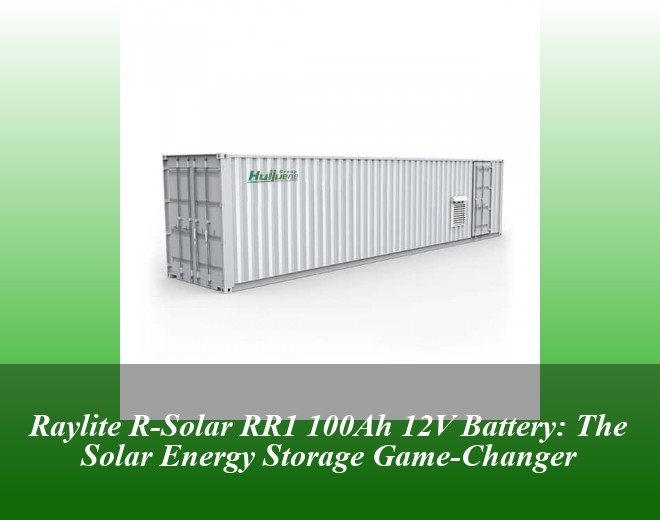
Ever wondered why some solar batteries fail within 2 years while others thrive for a decade? The secret lies in Absorbent Glass Mat (AGM) design - the backbone of Raylite's R-Solar RR1 series. Unlike flooded lead-acid batteries that lose 30% capacity in the first year, our 100Ah deep-cycle battery maintains 92% capacity after 1,000 cycles.
500 kW Battery Storage: Renewable Energy's Game-Changer
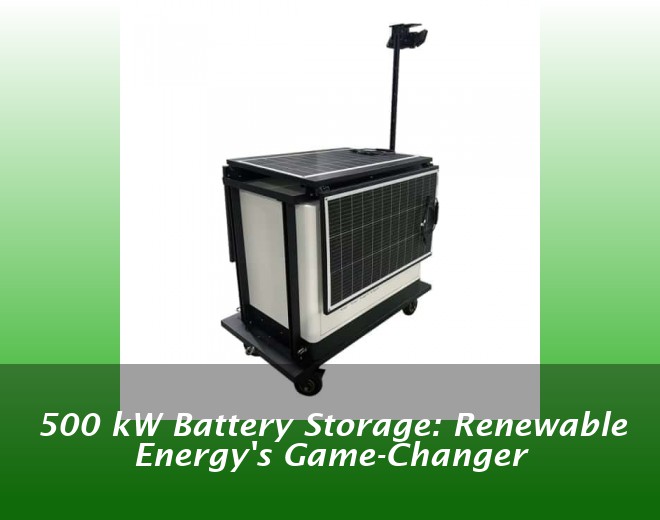
solar panels don't work at night, and wind turbines stand still on calm days. This intermittency costs the U.S. economy $150 billion annually in wasted renewable energy. Enter the 500 kW battery storage system, a Goldilocks solution bridging residential Powerwalls and utility-scale installations.
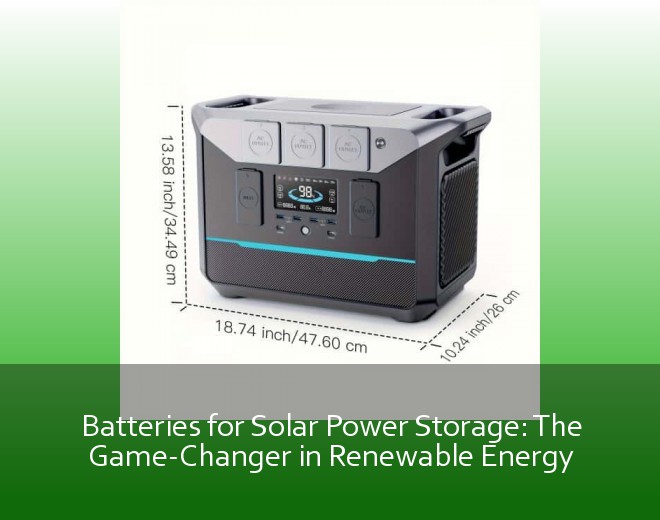
Batteries for Solar Power Storage: The Game-Changer in Renewable Energy
Let's face it—not all solar batteries are created equal. While lithium-ion models dominate headlines with their sleek designs, did you know lead-acid batteries still power 38% of off-grid solar installations worldwide? The truth is, each technology brings unique strengths to the renewable energy table.
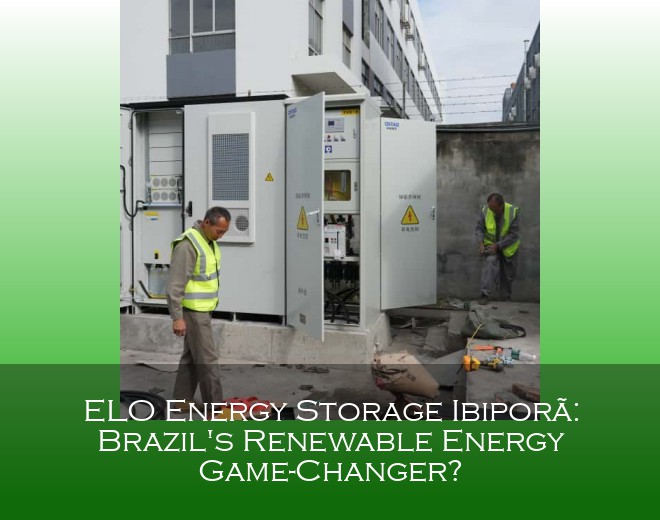
ELO Energy Storage Ibiporã: Brazil's Renewable Energy Game-Changer?
You know, Brazil generates 84% of its electricity from renewables - a world leader in hydropower. But here's the kicker: energy storage capacity remains stuck at less than 2% of total generation. When droughts hit (like the 2021 crisis that spiked electricity prices by 52%), the country literally lights out.
 Inquiry
 Online Chat